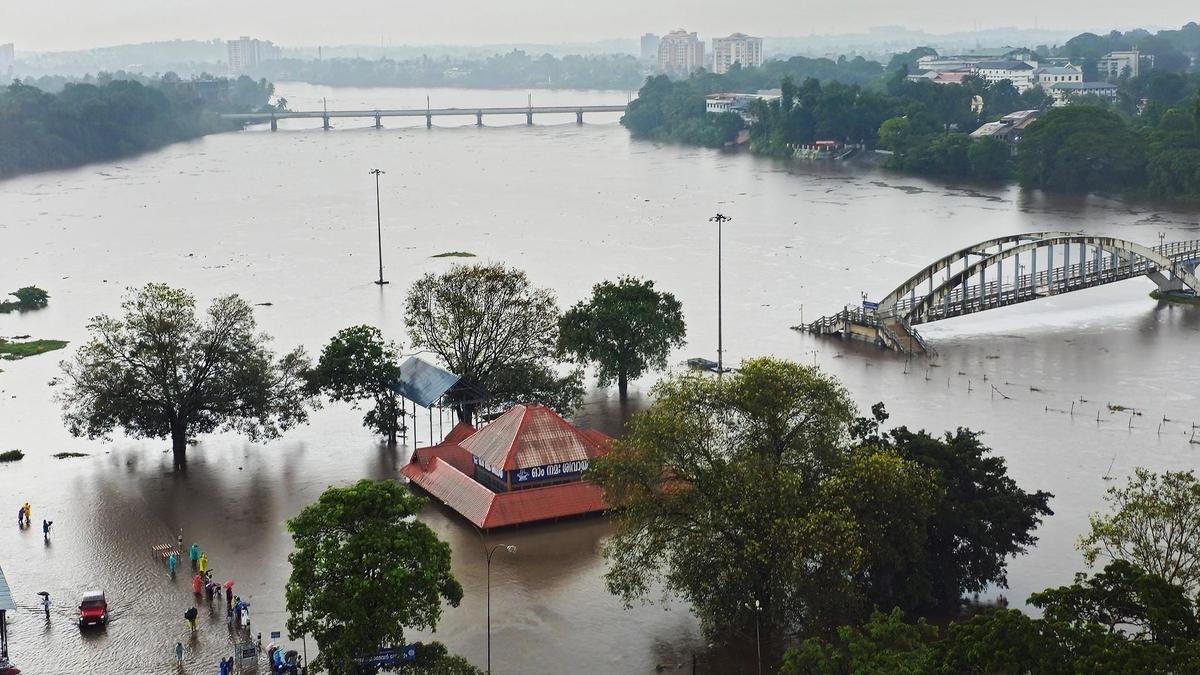
A low-pressure area has formed over the southeast portion of the Bay of Bengal and is being closely monitored by the India Meteorological Department (IMD). According to their bulletin, this system is likely to intensify over the next few days, developing into a depression and further into a cyclonic storm.
Once the system reaches the threshold of a cyclonic storm—with sustained winds of about 62 km/h or more in the North Indian Ocean—it will be formally named.
How the Name “Montha” Was Chosen & What It Means
Here’s a look at the naming process and the meaning behind “Montha”:
Naming Process in the North Indian Ocean
-
For the North Indian Ocean region (covering the Bay of Bengal and the Arabian Sea), cyclone names are pre-submitted by the member countries of the WMO/ESCAP Panel on Tropical Cyclones.
-
In April 2020, a refreshed list of 169 names (13 from each of 13 member countries) was finalised.
-
According to IMD’s criteria, when a system reaches the wind-speed threshold, the next name in the list is assigned.
Why “Montha”
-
The name “Montha” (also referred to as “Montha” in some media) was contributed by Thailand.
-
In the Thai language, “Montha” means roughly “fragrant flower” or “beautiful flower”.
-
Despite the benign meaning, the assigned name should not downplay the potential severity of the cyclone—it’s simply part of the naming convention for public awareness.
Why Naming Matters
Assigning a name to a cyclone serves several important functions:
-
It helps in clear communication among meteorologists, disaster management agencies, media and the general public.
-
It assists in record-keeping, comparing storms, and raising awareness ahead of landfall.
-
A named cyclone tends to command more attention, which is crucial for early action and preparedness.
What’s the Forecast for Cyclone Montha
Here’s what the latest information indicates:
-
The system is currently over the southeast Bay of Bengal and moving northwestward toward India’s east coast.
-
IMD expects the storm to intensify, possibly reaching severe cyclonic storm category before landfall.
-
Landfall is projected between areas such as Machilipatnam and Kalingapatnam, near Kakinada, on or around October 28, 2025.
-
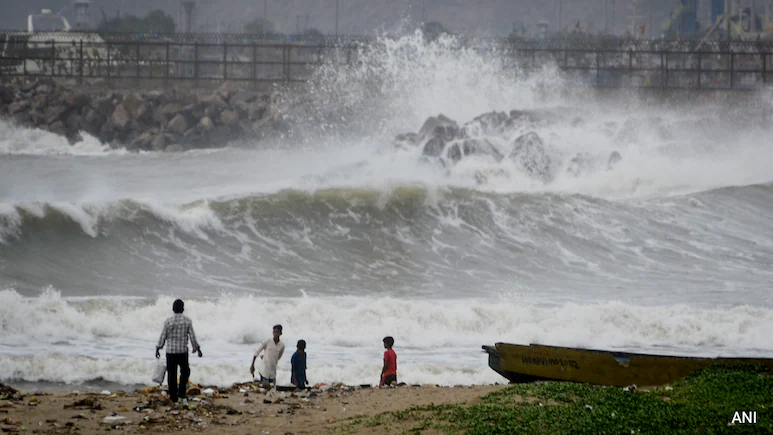
Coastal states like Andhra Pradesh, Odisha and parts of Tamil Nadu are on high alert for extremely heavy rainfall, strong winds, storm surge and rough seas.
What You Should Do (If You’re in the Potential Impact Zone)
If you’re in a region likely to be affected—especially coastal districts of Andhra Pradesh, Odisha, or Tamil Nadu—here are some preparedness steps:
-
Stay updated with official bulletins from IMD and local disaster management authorities.
-
Stay away from the coast: High tide, storm surge, rough seas can be extremely dangerous.
-
Secure loose objects around your home; ensure drainage systems are free of obstruction.
-
Have emergency supplies ready: torch, batteries, first-aid kit, drinking water, necessary medicines.
-
Follow evacuation orders immediately if advised by authorities.
-
Avoid venturing into the sea, especially fishermen and small boats.
The Bottom Line
While the name “Montha” may evoke the image of a flower, the weather event it represents is anything but gentle. Its naming follows an internationally coordinated system designed for clarity and rapid communication. As the storm continues to develop over the Bay of Bengal, the emphasis should be on vigilance, preparedness and timely action. For those in the potential path, every hour counts.