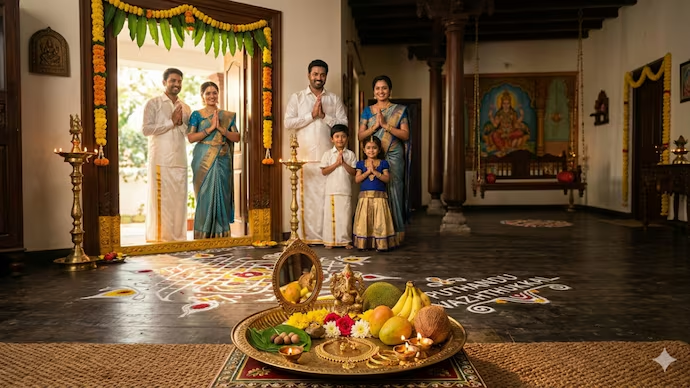
The Tamil New Year, also known as Puthandu, marks the beginning of the Tamil calendar year. Celebrated with great enthusiasm across Tamil Nadu and by Tamil communities worldwide, this festival symbolizes new beginnings, prosperity, and spiritual renewal.
In 2026, the Tamil New Year will be observed in mid-April, aligning with the traditional solar calendar followed in South India.
📜 History of Tamil New Year
The origins of the Tamil New Year date back thousands of years and are deeply rooted in ancient Tamil culture and astronomy. The festival is based on the solar cycle, marking the day when the Sun enters Mesha (Aries), which is considered the start of a new year in the Tamil calendar.
Historically, Tamil kings and scholars used this day to begin new administrative and agricultural cycles. Ancient texts and inscriptions highlight its importance as a time for renewal, planning, and celebration.
The Tamil calendar, also known as the Tamil Calendar, is one of the oldest in the world and continues to guide cultural and religious practices even today.
🪔 Rituals and Traditions of Puthandu
Tamil New Year is celebrated with a variety of rituals that blend spirituality, family bonding, and cultural heritage.
🌅 1. Kanni (Auspicious Viewing)
One of the most important traditions is “Kanni”, where people start their day by viewing auspicious items like:
- Fruits
- Flowers
- Gold or silver
- Mirror
- Betel leaves
This ritual is believed to bring good luck and prosperity throughout the year.
🏡 2. House Decoration & Kolam
Homes are cleaned and decorated with intricate Kolam designs made using rice flour. Mango leaves and fresh flowers are used to decorate entrances, symbolizing positivity and abundance.
🍛 3. Festive Feast (Virundhu)
A grand meal is prepared featuring traditional dishes, especially Mangai Pachadi, which uniquely combines sweet, sour, bitter, and spicy flavours. This dish represents the different experiences of life, teaching acceptance and balance.
🙏 4. Temple Visits & Prayers
Devotees visit temples to seek blessings for the new year. Special prayers and offerings are made to deities, asking for health, wealth, and happiness.
📖 5. Panchangam Reading
Priests or elders read the Panchangam, which outlines predictions for the year ahead, including:
- Economic outlook
- Weather patterns
- Personal fortunes
This tradition helps families prepare for the upcoming year with awareness and positivity.
🌟 Significance of Tamil New Year
The Tamil New Year is not just a cultural celebration—it carries deep philosophical and spiritual meaning.
🔄 1. Symbol of New Beginnings
Puthandu represents a fresh start, encouraging individuals to leave behind past challenges and embrace new opportunities with optimism.
⚖️ 2. Life’s Balance and Acceptance
Through symbolic dishes like Mangai Pachadi, the festival teaches that life is a mix of emotions—joy, sorrow, anger, and surprise—and each must be accepted with grace.
👨👩👧👦 3. Strengthening Family Bonds
Families come together to celebrate, share meals, and exchange wishes, reinforcing unity and togetherness.
🌍 4. Cultural Identity and Heritage
For Tamils across the globe, Puthandu serves as a reminder of their rich heritage and traditions, helping preserve cultural identity across generations.
🌱 5. Agricultural and Seasonal Importance
Tamil New Year also aligns with the harvest cycle, making it significant for farmers as a time to plan for the next agricultural season.
🎉 How Tamil New Year is Celebrated Today
While traditional rituals remain strong, modern celebrations include:
- Social media greetings and virtual celebrations
- Community events and cultural programs
- Special discounts and festive shopping
- Charity and donation drives
Cities like Chennai witness vibrant celebrations with temple festivals, cultural performances, and family gatherings.
✨ Conclusion
The Tamil New Year is a beautiful blend of tradition, spirituality, and cultural pride. It reminds us to embrace change, celebrate life’s diversity, and move forward with hope and positivity.
As Tamil New Year 2026 approaches, it’s the perfect time to reconnect with traditions, strengthen relationships, and set meaningful goals for the year ahead.