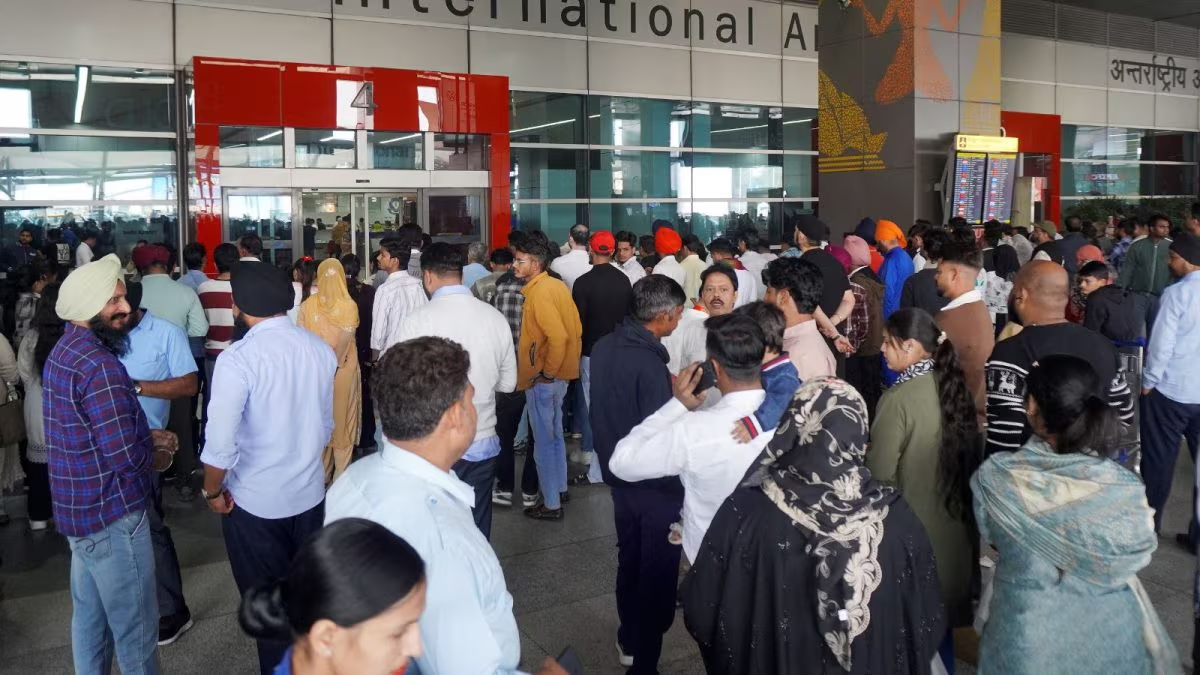
Air travel across Asia has been thrown into disarray as widespread disruptions led to over 1,400 flight delays and at least 67 cancellations, leaving thousands of passengers stranded at major airports. The unexpected aviation crisis has affected both domestic and international travel, causing inconvenience, missed connections, and rising frustration among travellers.
From crowded terminals to long waiting hours, the situation has highlighted the vulnerability of modern air travel systems to operational and environmental disruptions.
🌏 What Caused the Massive Flight Disruptions?
The recent wave of flight delays and cancellations across Asia can be attributed to a combination of factors, including:
1. Adverse Weather Conditions
Severe weather, including thunderstorms, heavy rainfall, and low visibility, played a major role in disrupting flight schedules. Airports in key regions faced operational challenges as airlines prioritized passenger safety, leading to cascading delays.
2. Air Traffic Congestion
With Asia being one of the busiest aviation regions globally, even minor disruptions can lead to significant air traffic congestion. Delays at one airport often trigger a ripple effect, impacting multiple routes and airlines.
3. Technical and Operational Issues
Some airlines reported technical faults and operational bottlenecks, further contributing to the growing number of delayed and cancelled flights.
4. Staffing Constraints
Airlines and airports continue to deal with staffing shortages in certain areas, which can slow down operations such as ground handling, boarding, and aircraft turnaround times.
🛫 Major Airports Affected
Several major aviation hubs across Asia were impacted, including:
- Singapore
- Bangkok
- Hong Kong
- Kuala Lumpur
- Delhi
Passengers travelling through these airports experienced long queues, delayed departures, and difficulties in rebooking flights.
😟 Impact on Passengers
The widespread flight disruptions left thousands of travellers dealing with:
- Missed connecting flights
- Extended waiting times at airports
- Difficulty securing alternative bookings
- Increased travel costs due to last-minute changes
- Limited accommodation availability near airports
Many passengers took to social media to express frustration over the lack of timely updates and support from airlines.
🧳 Airline Response and Recovery Efforts
Airlines and airport authorities quickly initiated contingency plans to manage the crisis:
- Deployment of additional staff to assist stranded passengers
- Arranging alternate flights and rebooking options
- Providing meal vouchers and temporary accommodation in some cases
- Improving communication through mobile apps and airport announcements
Despite these efforts, the sheer scale of the disruption made recovery slow and challenging.
📊 Broader Impact on the Aviation Industry
This large-scale disruption highlights key challenges in the aviation sector:
- Infrastructure limitations at major airports
- Dependence on weather conditions
- Need for improved crisis management systems
- Importance of real-time communication with passengers
The incident also raises questions about how prepared airlines are to handle sudden spikes in operational disruptions.
🧭 Travel Tips for Passengers
If you’re planning to travel in the coming days, here are some essential tips to avoid inconvenience:
- Check your flight status regularly before heading to the airport
- Arrive early to account for delays and long queues
- Keep essential items in your carry-on baggage
- Stay updated through airline apps and notifications
- Consider travel insurance for unexpected disruptions
Being proactive can significantly reduce stress during uncertain travel situations.
🔮 What Lies Ahead?
While airlines are working to normalize schedules, it may take some time for operations to fully stabilize. Passengers are advised to stay informed and remain flexible with their travel plans.
Experts suggest that as air travel demand continues to grow, investment in infrastructure, technology, and workforce will be critical to preventing similar disruptions in the future.
📢 Conclusion
The recent flight chaos across Asia, marked by over 1,400 delays and 67 cancellations, serves as a reminder of how interconnected and sensitive the global aviation network is. While safety remains the top priority, improving operational resilience and passenger communication is essential to minimize disruption.
For now, travellers are urged to stay vigilant, plan, and remain patient as the aviation industry works to regain stability.