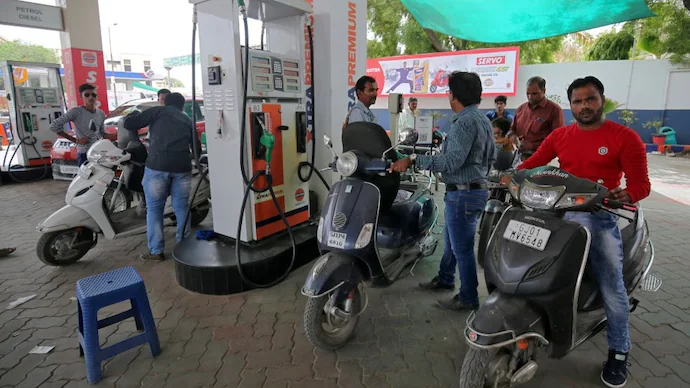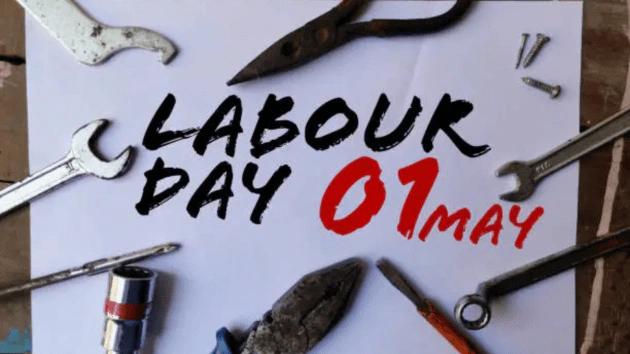
International Workers’ Day, also known as Labour Day or May Day, is observed every year on May 1st. It is a global celebration honouring the contributions of workers and recognizing the importance of fair labour practices, workers’ rights, and social justice. While the day is widely celebrated across countries, its origins and significance are deeply rooted in the labour movement and the fight for better working conditions.
The History of International Workers’ Day
The origins of International Workers’ Day can be traced back to the late 19th century during the rise of industrialisation. Workers across industries were subjected to long working hours, unsafe conditions, and minimal wages.
A pivotal moment in labour history was the Haymarket Affair in Chicago, USA. On May 4, 1886, workers gathered to protest for an eight-hour workday. The peaceful demonstration turned violent after a bomb explosion, leading to casualties among both police and civilians. Despite the tragedy, the event became a symbol of workers’ resistance and solidarity.
In 1889, the Second International declared May 1st as International Workers’ Day to commemorate the Haymarket Affair and promote workers’ rights globally. Since then, the day has been observed in many countries as a public holiday.
Why International Workers’ Day Matters
International Workers’ Day is more than just a holiday—it represents the ongoing struggle for fair labour practices and workers’ dignity. The day highlights key issues such as:
- Fair wages and income equality
- Safe working conditions
- Reasonable working hours
- Workers’ rights and unionisation
Even today, millions of workers worldwide continue to face challenges such as job insecurity, lack of benefits, and workplace exploitation. This day serves as a reminder that progress in labour rights has been achieved through collective action and must continue.
Global Celebrations and Observances
International Workers’ Day is celebrated differently across countries, reflecting local cultures and labour histories.
India
In India, Labour Day is observed with rallies, awareness campaigns, and events organised by trade unions. The day emphasizes workers’ rights in both organised and unorganised sectors.
Europe
Countries like France, Germany, and Italy mark the day with public demonstrations, parades, and speeches advocating labour reforms and social justice.
United States
Interestingly, the United States celebrates Labour Day on the first Monday of September instead of May 1st, although the origins are still linked to the labour movement.
Asia and Other Regions
Many countries in Asia, Latin America, and Africa observe May Day as a national holiday, often with large-scale rallies and cultural programs celebrating workers’ contributions.
Key Achievements of the Labour Movement
Over the decades, labour movements have brought about significant changes that benefit workers globally:
- Introduction of the eight-hour workday
- Minimum wage laws
- Workplace safety regulations
- Social security and employee benefits
- Protection against unfair labor practices
These achievements have shaped modern employment standards and continue to influence labour policies worldwide.
Challenges Workers Face Today
Despite progress, the modern workforce faces new challenges, including:
- Gig economy and contract-based employment
- Automation and job displacement
- Wage inequality
- Lack of job security
- Mental health concerns in the workplace
International Workers’ Day provides an opportunity to address these issues and advocate for policies that protect workers in a rapidly evolving economy.
The Role of Technology and the Future of Work
Technology is transforming the way people work. While automation and artificial intelligence improve efficiency, they also raise concerns about job security. At the same time, remote work and digital platforms have created new opportunities.
The future of work will depend on balancing innovation with inclusivity, ensuring that workers are not left behind in the digital transformation.
How You Can Observe International Workers’ Day
You don’t have to be part of a labour union to recognize the importance of this day. Here are a few ways to observe it:
- Learn about workers’ rights and labour laws
- Support fair trade and ethical businesses
- Appreciate and acknowledge workers in your community
- Participate in awareness campaigns or discussions
- Advocate for better workplace policies
Final Thoughts
International Workers’ Day is a powerful reminder of the value of labour and the importance of fair working conditions. From its origins in the Haymarket Affair to its global recognition today, the day symbolizes unity, resilience, and progress.
As the nature of work continues to evolve, the principles behind May Day remain as relevant as ever. Recognizing workers’ contributions and advocating for their rights is essential to building a fair and sustainable future for all.