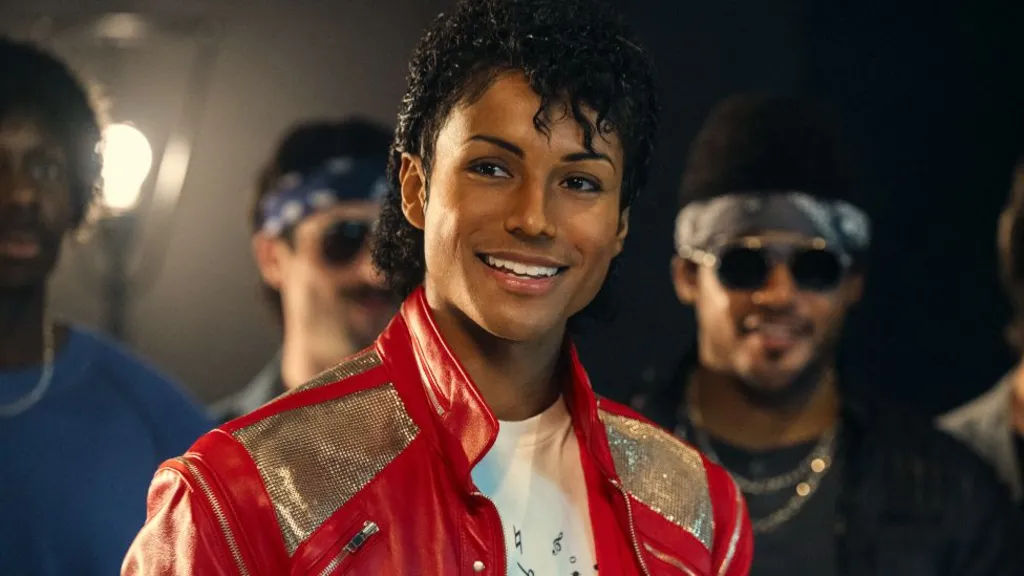
The upcoming biographical film about Michael Jackson has ignited intense debate even before its official release. Critics have labelled the project as “whitewashed” and “ghoulish,” raising serious concerns about how the King of Pop’s legacy is being portrayed on screen.
As biopics continue to dominate the entertainment landscape, the controversy surrounding this film highlights a broader question: how should filmmakers balance storytelling with historical accuracy and ethical responsibility?
🎬 The Controversy Explained
The film, reportedly titled Michael, aims to chronicle the life and career of one of the most influential musicians in history. However, early reactions from critics and cultural commentators suggest that the narrative may downplay or sidestep the more controversial aspects of Jackson’s life.
The term “whitewash” in this context refers to the selective portrayal of events, often presenting a more favourable version of reality. Critics argue that the film risks becoming a sanitized tribute rather than a balanced biographical account.
Meanwhile, the label “ghoulish” reflects discomfort with how the project may capitalize on Jackson’s legacy and personal struggles, particularly given the unresolved debates surrounding allegations that surfaced during and after his lifetime.
⚖️ The Challenge of Portraying Complex Legacies
Biographical films often walk a fine line between celebration and critique. In the case of Michael Jackson, that challenge is amplified due to:
- His unparalleled influence on music and pop culture
- The controversies and allegations that continue to shape public perception
- A deeply divided audience, with both devoted fans and vocal critics
Filmmakers must decide whether to present a comprehensive narrative or focus primarily on achievements. Critics of Michael suggest the film leans heavily toward the latter, potentially undermining its credibility.
🎤 Cultural Impact vs. Ethical Responsibility
There’s no denying Michael Jackson’s impact. Albums like Thriller and performances such as the Motown 25: Yesterday, Today, Forever—where he debuted the moonwalk—cemented his status as a global icon.
However, critics argue that focusing solely on these milestones without addressing controversies may distort historical understanding. In today’s media environment, audiences increasingly expect nuanced storytelling that acknowledges both achievements and flaws.
This expectation has been shaped by recent documentaries like Leaving Neverland, which reignited public debate about Jackson’s legacy. Ignoring such context, critics say, risks alienating viewers and reducing the film’s relevance.
🎥 Audience Expectations in the Streaming Era
Modern audiences are more informed and critical than ever. With access to documentaries, interviews, and archival footage, viewers are less likely to accept one-dimensional portrayals.
This shift means that biopics must:
- Provide balanced perspectives
- Address controversial issues with transparency
- Avoid appearing as promotional or revisionist content
If the film fails to meet these expectations, it may face backlash not only from critics but also from general audiences.
💬 Industry Reactions
While some industry insiders defend the filmmakers’ creative choices, others believe the criticism is justified. The debate reflects a growing tension in Hollywood: should biopics prioritize legacy protection or historical honesty?
Supporters argue that films are not documentaries and should have creative freedom. Critics counter that when dealing with real-life figures—especially ones as influential as Michael Jackson—there is a responsibility to present a truthful and balanced narrative.
📊 The Bigger Picture: Biopics Under Scrutiny
The backlash against Michael is part of a larger trend. Biographical films are increasingly scrutinized for:
- Historical accuracy
- Ethical storytelling
- Representation of sensitive issues
From musicians to political figures, audiences are demanding more than just entertainment—they want accountability and authenticity.
🔍 Final Thoughts
The controversy surrounding the Michael Jackson film underscores the complexities of portraying real-life figures with both admiration and honesty. Whether the film ultimately lives up to expectations or reinforces critics’ concerns remains to be seen.
What is clear, however, is that audiences are no longer passive consumers. They are active participants in shaping narratives, holding filmmakers accountable for how stories are told.
As the release approaches, Michael will likely remain at the centre of cultural debate—serving as a case study in the evolving standards of biographical storytelling in modern cinema.