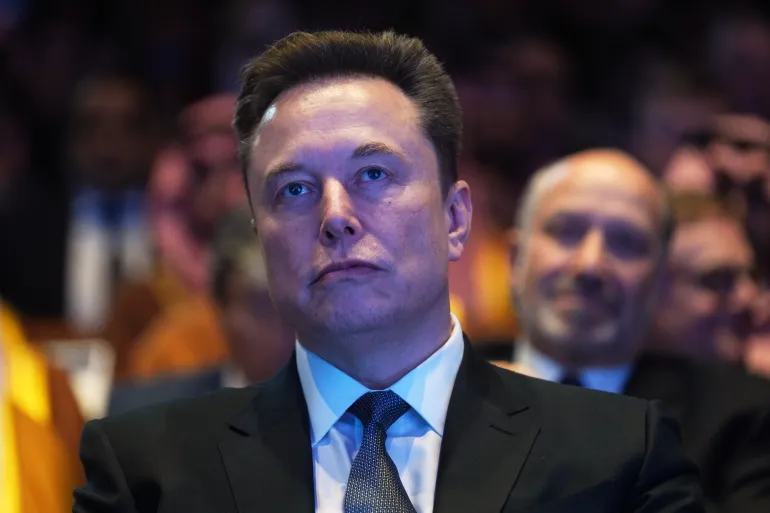
The possibility of the world’s first trillionaire is no longer a distant fantasy. Elon Musk, the entrepreneur behind Tesla, SpaceX, Neuralink, and X, is reportedly edging closer to a historic financial milestone following a record-breaking SpaceX initial public offering (IPO). The unprecedented surge in SpaceX’s valuation has dramatically boosted Musk’s net worth, sparking global discussions about innovation, wealth creation, and the growing gap between the ultra-rich and the rest of society.
As investors continue pouring capital into the space industry and advanced technologies, Musk’s financial empire has expanded at a pace few could have imagined. While supporters view his success as the result of visionary leadership and relentless innovation, critics argue that such concentrated wealth highlights deeper economic inequalities.
SpaceX IPO Creates Massive Wealth Boom
The catalyst behind Musk’s latest wealth surge is SpaceX’s highly anticipated IPO, which has reportedly achieved one of the largest market debuts in corporate history. Investor enthusiasm surrounding commercial space exploration, satellite internet services, and future Mars missions has driven demand for SpaceX shares to extraordinary levels.
SpaceX has transformed from an ambitious startup into one of the world’s most valuable aerospace companies. Through successful rocket launches, reusable spacecraft technology, and the rapid expansion of Starlink’s satellite internet network, the company has established itself as a dominant force in the global space industry.
As SpaceX’s valuation climbs, Musk’s ownership stake has translated into staggering gains, pushing his personal fortune closer to the trillion-dollar threshold than any individual in modern history.
Why Elon Musk’s Wealth Continues to Grow
Unlike many wealthy individuals whose fortunes are tied to a single company, Musk’s wealth is spread across multiple high-growth ventures. His holdings in Tesla, SpaceX, xAI, Neuralink, and X represent major investments in industries expected to shape the future.
Several factors contributing to Musk’s growing fortune include:
- Strong investor confidence in SpaceX’s long-term potential.
- Continued growth of Tesla’s electric vehicle and energy businesses.
- Expanding adoption of artificial intelligence technologies.
- Increasing demand for satellite-based internet services.
- Long-term expectations surrounding commercial space travel.
These businesses operate in sectors that many analysts believe will generate trillions of dollars in economic value over the coming decades.
The Trillionaire Milestone: Symbol of Innovation or Economic Imbalance?
The prospect of a trillionaire has generated intense debate among economists, policymakers, and the public. Supporters argue that Musk’s wealth reflects the value created by groundbreaking technologies that have transformed transportation, energy, communications, and space exploration.
They point to Tesla’s role in accelerating the global transition toward electric vehicles and SpaceX’s achievements in reducing launch costs and expanding access to space. From this perspective, wealth accumulation is a byproduct of innovation that benefits society as a whole.
Critics, however, view the emergence of a trillionaire as evidence of widening wealth inequality. They argue that while technological advancements have created enormous shareholder value, many workers around the world continue to face rising living costs, housing affordability challenges, and stagnant wage growth.
The debate raises broader questions about taxation, wealth concentration, corporate power, and the future structure of the global economy.
What a Trillionaire Era Could Mean for the World
If Musk ultimately becomes the first trillionaire, it would mark a symbolic turning point in economic history. Never before has a single individual’s net worth approached such an extraordinary figure.
The event could reshape discussions around:
- Wealth taxation policies.
- Corporate governance.
- Economic inequality.
- Technology-driven wealth creation.
- Government regulation of emerging industries.
It may also inspire a new generation of entrepreneurs seeking to build companies capable of transforming entire industries on a global scale.
Looking Ahead
Whether Elon Musk officially reaches trillionaire status remains dependent on market performance, company valuations, and investor sentiment. However, the momentum generated by SpaceX’s blockbuster IPO has brought that possibility closer than ever before.
As the world watches this historic financial journey unfold, one thing is clear: the conversation is no longer just about Elon Musk’s wealth. It is about what unprecedented levels of wealth mean for innovation, opportunity, and economic equality in the 21st century.
The race toward the world’s first trillionaire has become more than a personal achievement—it has become a defining story of modern capitalism.