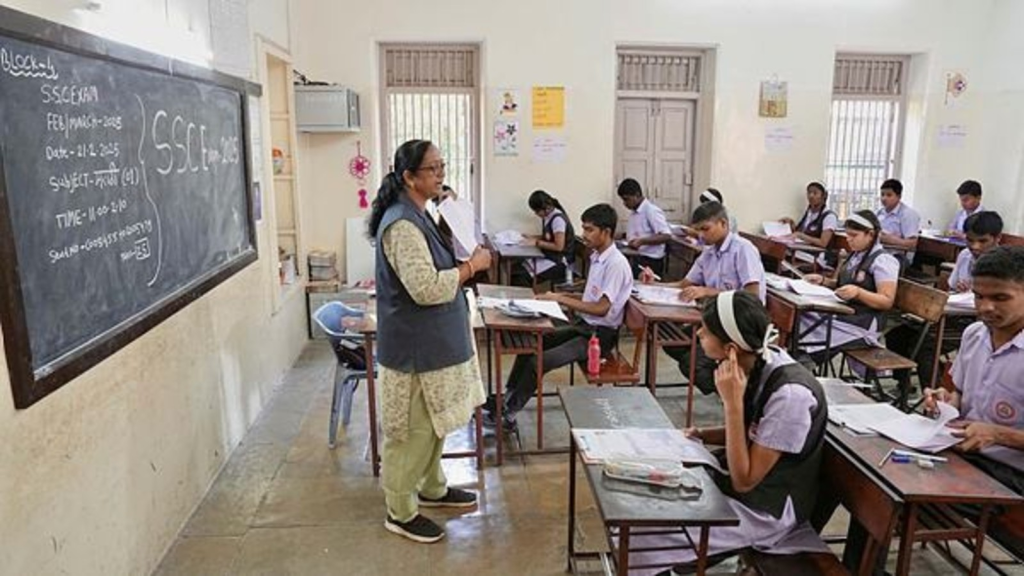
Schools across South Gujarat have reportedly been instructed to make up for lost academic days by conducting classes on selected public holidays. The move aims to ensure compliance with the mandatory 120 working days required during the first semester of the academic year, which began just over a month ago.
The directive has sparked discussions among educators, parents, and students, with many questioning how the revised schedule will affect academic planning, student well-being, and holiday observances. While the decision seeks to maintain educational standards and prevent learning gaps, it also highlights the challenges schools face in balancing curriculum requirements with unforeseen disruptions.
Why Are South Gujarat Schools Working on Public Holidays?
Educational authorities require schools to complete a minimum number of instructional days each semester to ensure students receive adequate classroom learning. According to the latest directive, schools in South Gujarat that have lost teaching days due to administrative reasons, weather conditions, local events, or other disruptions are expected to compensate by conducting classes on designated public holidays.
The primary objective is to meet the 120 mandatory working-day requirement for the first semester without compromising syllabus completion or examination schedules.
Understanding the 120 Working-Day Requirement
Most education boards and state authorities prescribe a minimum number of instructional days every academic session. These working days are designed to ensure that:
- Students receive sufficient classroom instruction.
- Teachers complete the prescribed syllabus on time.
- Schools maintain uniform academic standards.
- Internal assessments and examinations remain on schedule.
- Learning outcomes are not affected by unexpected school closures.
With the first semester already underway, authorities are encouraging schools to recover any lost instructional time before academic delays become more significant.
Impact on Students and Parents
The revised academic calendar may require students to attend classes on certain public holidays that were previously designated as non-working days. While this approach helps maintain educational continuity, it may also affect family schedules, travel plans, and traditional holiday celebrations.
Parents may need to adjust transportation arrangements, extracurricular activities, and personal commitments to accommodate the revised school calendar. Schools are expected to communicate holiday working schedules well in advance to minimize inconvenience.
Challenges for Schools
Implementing classes on public holidays presents several logistical and administrative challenges for schools, including:
- Ensuring teacher availability.
- Managing transportation services where applicable.
- Informing parents and students about revised schedules.
- Coordinating support staff and administrative operations.
- Maintaining attendance during holiday classes.
Schools will also need to ensure that any revised calendar complies with state education department guidelines and local regulations.
Benefits of Recovering Lost Academic Days
Although working on public holidays may initially appear inconvenient, it offers several academic benefits:
- Prevents delays in syllabus completion.
- Reduces pressure on teachers toward the end of the semester.
- Maintains planned examination schedules.
- Improves continuity in classroom learning.
- Helps students stay aligned with curriculum objectives.
For students preparing for board examinations or competitive entrance tests, uninterrupted academic progress can contribute to better learning outcomes.
Balancing Academics and Student Well-being
Education experts emphasize that while recovering lost instructional days is important, schools should also consider students’ physical and mental well-being. Public holidays often provide opportunities for rest, family engagement, and participation in cultural or religious events.
A balanced approach—such as selecting only a limited number of holidays for academic sessions or introducing alternative teaching methods where appropriate—can help maintain educational quality without placing excessive pressure on students and educators.
What Happens Next?
Individual schools are expected to notify parents regarding the specific public holidays that will be converted into working days. The implementation may vary depending on each institution’s academic calendar, local circumstances, and the number of instructional days already completed.
Parents and students are advised to monitor official school communications regularly to stay updated on any schedule changes, attendance requirements, or revised examination timelines.
Conclusion
The decision to ask South Gujarat schools to work on selected public holidays reflects the education system’s effort to maintain academic standards and complete the mandatory 120 working days during the first semester. While the move may require adjustments from students, parents, and teachers, it aims to ensure uninterrupted learning and timely syllabus completion.
As schools continue adapting to changing academic requirements, effective communication and careful planning will play a crucial role in balancing curriculum goals with the needs of students and families.