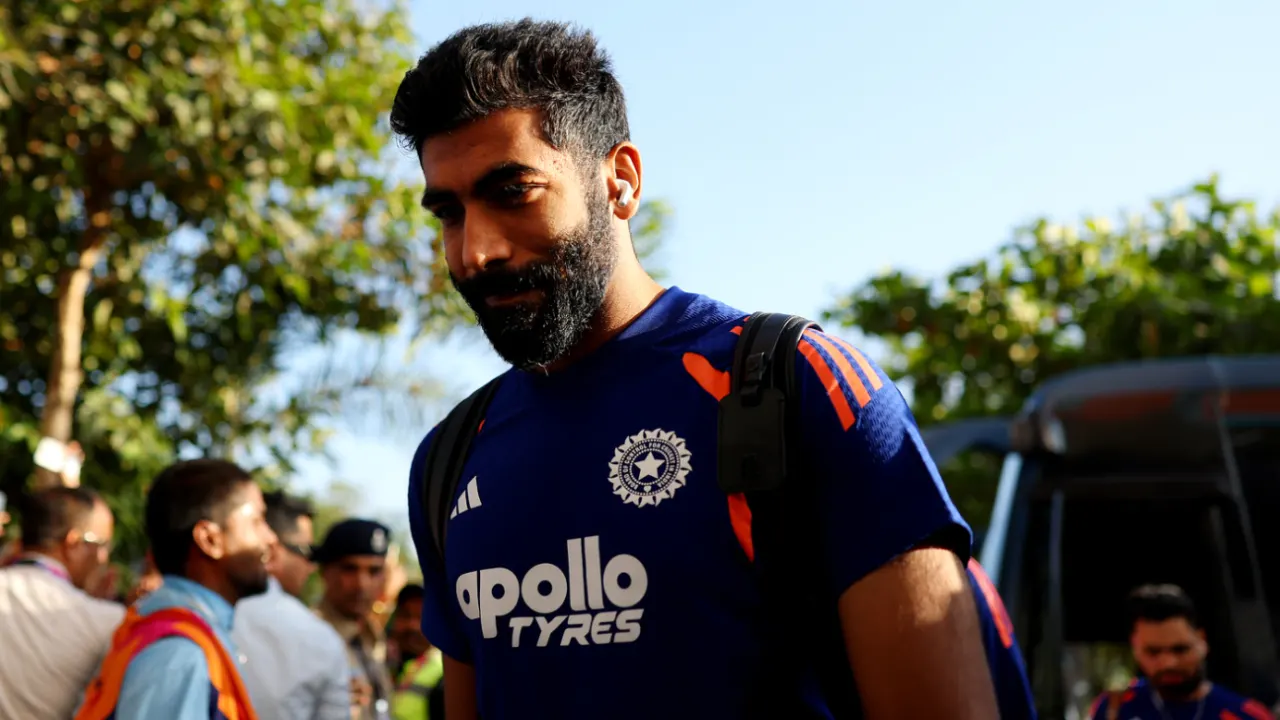
India’s cricket selectors have made significant decisions ahead of the upcoming Afghanistan Test series, with star pacer Jasprit Bumrah being rested and experienced batter KL Rahul replacing Rishabh Pant as vice-captain. The squad announcement reflects India’s long-term strategy as the team begins preparations for the 2027 ODI World Cup.
The selection decisions have generated widespread discussion among cricket fans and analysts, especially considering the importance of workload management and leadership planning in modern international cricket.
Bumrah Rested to Manage Workload
India’s premier fast bowler, Jasprit Bumrah, has been rested for the Afghanistan Test to carefully manage his fitness and workload. Over the last few years, Bumrah has dealt with injury concerns, making workload management a key priority for the Indian team management.
The decision is viewed as a preventive step rather than a reaction to any injury setback. With a packed international calendar ahead, including ICC tournaments and bilateral series, the Indian team wants Bumrah fully fit for major assignments.
Bumrah remains one of India’s most valuable players across formats due to his exceptional bowling accuracy, death-over skills, and ability to perform under pressure. Resting him for selected matches could help extend his career and maintain peak performance for critical tournaments.
India’s pace attack still looks strong despite Bumrah’s absence, with several young fast bowlers expected to step up and make an impact during the Afghanistan Test.
KL Rahul Appointed Vice-Captain
One of the biggest talking points from the squad announcement is the appointment of KL Rahul as India’s new vice-captain, replacing Rishabh Pant.
Rahul’s elevation reflects the management’s trust in his leadership abilities and experience in international cricket. Over the years, Rahul has captained India in multiple formats and has demonstrated calm decision-making under pressure.
The selectors appear focused on building a stable leadership core around captain Rohit Sharma as India prepares for future ICC tournaments.
Rahul’s versatility also strengthens his case for leadership responsibilities. He has played multiple roles for India, including opening the innings, middle-order batting, wicketkeeping duties, and leading the side when required.
Pant’s Role Still Important
Although Rishabh Pant is no longer vice-captain, he remains an integral part of India’s plans across formats. Pant’s aggressive batting style and match-winning abilities continue to make him one of the most dangerous wicketkeeper-batters in world cricket.
The leadership change may simply indicate a strategic adjustment rather than a reduction in Pant’s importance within the squad. Team management often rotates leadership responsibilities based on format requirements, experience, and long-term planning.
Pant’s comeback after injury has already impressed fans and experts, and he is expected to continue playing a major role in India’s Test and ODI setup.
Rohit Sharma and Virat Kohli Included in ODI Plans
Veteran stars Rohit Sharma and Virat Kohli have also been included in India’s ODI plans as the team builds towards the 2027 World Cup.
Despite growing discussions around transition and youth development, the selectors still view Rohit and Kohli as essential figures in India’s batting lineup. Their experience, consistency, and ability to perform in high-pressure situations remain unmatched.
The management appears focused on maintaining a balance between experienced players and emerging talent. Young players will likely be groomed alongside senior stars to ensure India remains competitive in global tournaments.
India’s Long-Term Vision for 2027
India’s latest squad decisions indicate a broader strategic vision centred on fitness management, leadership stability, and squad depth. Resting senior players at the right time and assigning leadership roles carefully could help India build a strong and balanced team for future ICC events.
The Afghanistan Test series may also provide opportunities for younger players to prove themselves at the international level. With intense competition for places in the squad, every series becomes important for player development and team planning.
As India continues preparing for the 2027 ODI World Cup, the focus will remain on creating a squad capable of handling pressure, adapting to conditions, and maintaining consistency across formats.