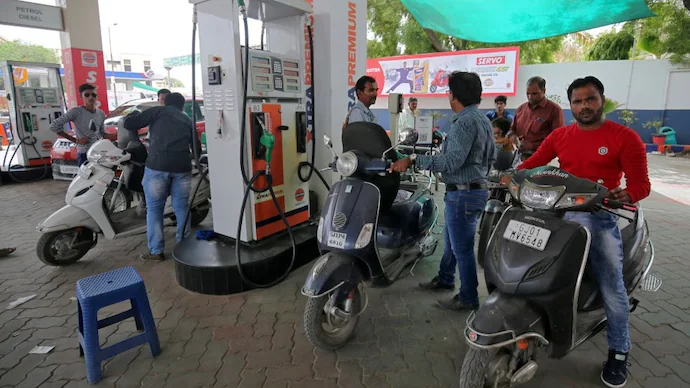
Fuel prices in India may soon witness another increase as global crude oil prices continue to surge amid escalating geopolitical tensions in West Asia. Industry experts believe that if crude oil prices remain elevated for a prolonged period, oil marketing companies may eventually pass on the additional burden to consumers through higher petrol and diesel prices.
For millions of Indians already dealing with rising living costs, a fuel price hike could directly impact transportation expenses, household budgets, food prices, and overall inflation. While the government and oil companies may initially try to absorb some of the pressure, sustained volatility in global oil markets often leads to gradual fuel price revisions.
Why Are Crude Oil Prices Rising?
The recent spike in crude oil prices is largely linked to growing tensions in West Asia, one of the world’s most important oil-producing regions. Any geopolitical instability in this region typically creates concerns over supply disruptions, pushing global crude oil prices upward.
Several factors are contributing to the current situation:
- Escalating conflicts and political uncertainty in West Asia
- Concerns over global oil supply disruptions
- Increased demand from major economies
- Production decisions by oil-exporting nations
- Fluctuations in global energy markets
India imports a significant portion of its crude oil requirements from international markets. As a result, global price movements have a direct impact on domestic fuel costs.
How Fuel Prices Are Determined in India
Petrol and diesel prices in India are influenced by multiple factors, including:
- International crude oil prices
- Exchange rates between the Indian Rupee and the US Dollar
- Central and state taxes
- Transportation and refining costs
- Dealer commissions
When crude oil becomes expensive globally, oil marketing companies often face pressure to revise retail fuel prices. However, price hikes may not happen immediately because governments sometimes intervene to stabilize costs temporarily.
Will Petrol and Diesel Prices Increase Sharply?
Experts suggest that fuel price hikes are more likely to happen gradually rather than through a sudden, sharp increase. Oil companies usually avoid steep one-time hikes because they can trigger public backlash and inflationary pressure.
Instead, consumers may see:
- Small but repeated price increases over several weeks
- Gradual adjustments depending on global crude oil trends
- Region-specific variations due to local taxes
If crude oil prices continue to rise significantly, petrol and diesel prices could increase by ₹2 to ₹5 per litre initially, according to market analysts. However, the final impact will depend on how long global tensions persist and whether the government chooses to reduce taxes or intervene.
How Much More Could Consumers Pay?
Even a small increase in fuel prices can significantly affect monthly expenses for households and businesses.
Example Impact on Monthly Fuel Expenses
Two-Wheeler Owners
If petrol prices increase by ₹3 per litre and a commuter uses 25 litres monthly:
- Additional monthly expense: ₹75
- Annual impact: ₹900
Car Owners
For a family using 80 litres of petrol monthly:
- Additional monthly expense: ₹240
- Annual impact: Nearly ₹3,000
Commercial Transport
Diesel price hikes can heavily impact:
- Trucking companies
- Cab operators
- Delivery services
- Public transportation systems
These increased operational costs are often passed on to consumers through higher prices for goods and services.
Impact on Inflation and Daily Life
Fuel prices play a major role in India’s economy because transportation affects almost every industry. Rising diesel prices can especially increase logistics and supply chain costs.
Possible effects include:
- Higher food and grocery prices
- Increased transportation fares
- Rising delivery charges
- Costlier manufactured goods
- Inflationary pressure across sectors
Sectors such as agriculture, logistics, aviation, and e-commerce could experience additional financial strain if fuel prices continue climbing.
Could the Government Intervene?
The Indian government may consider measures to reduce the impact on consumers if crude oil prices remain high for an extended period.
Possible interventions include:
- Temporary tax reductions
- Excise duty adjustments
- Subsidy-related support
- Strategic reserve utilization
However, reducing fuel taxes also affects government revenue, making the decision economically complex.
What Experts Are Saying
Energy market experts believe that the current situation remains highly dependent on geopolitical developments in West Asia. If tensions ease, crude oil prices could stabilize, limiting the need for major domestic fuel hikes.
On the other hand, prolonged instability may lead to:
- Higher import costs for India
- Increased pressure on oil marketing companies
- Continued upward revisions in fuel prices
Analysts also note that global economic conditions and currency fluctuations will play an important role in determining the final retail prices of petrol and diesel in India.
Tips for Consumers to Manage Rising Fuel Costs
Consumers can take a few practical steps to reduce the financial impact of potential fuel price hikes:
Drive Efficiently
Avoid sudden acceleration and maintain steady speeds to improve fuel efficiency.
Use Public Transport
Using metro services, buses, or carpooling can significantly reduce fuel expenses.
Maintain Your Vehicle
Regular servicing and proper tyre pressure improve mileage.
Plan Trips Smartly
Combining errands and avoiding unnecessary travel can help save fuel.
Consider Fuel-Efficient Vehicles
Hybrid and electric vehicles may become more attractive if fuel prices continue rising.
Final Thoughts
The possibility of petrol and diesel price hikes has once again raised concerns among Indian consumers and businesses. With global crude oil prices climbing amid tensions in West Asia, fuel costs could gradually increase in the coming weeks.
While experts do not currently expect extremely sharp hikes, even moderate increases can affect transportation costs, inflation, and household budgets. Much will depend on international developments, government policy decisions, and the stability of global energy markets.
For now, consumers and businesses alike will be closely watching crude oil trends and domestic pricing decisions to understand how much more they may ultimately need to pay at the fuel station.