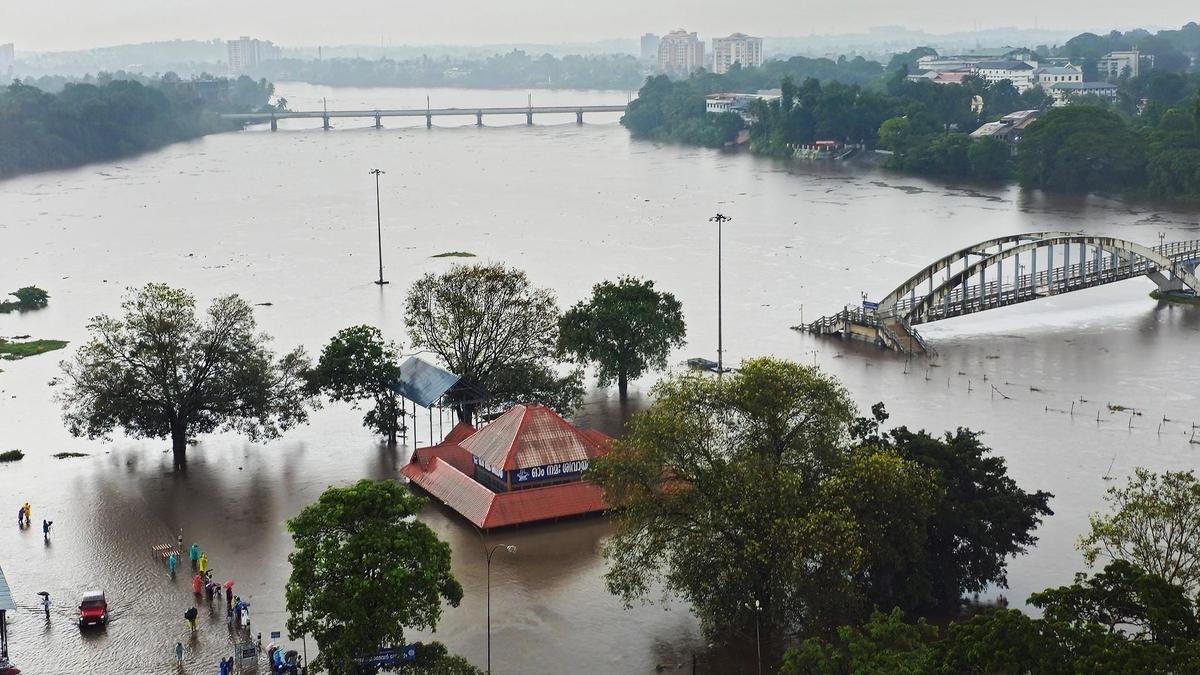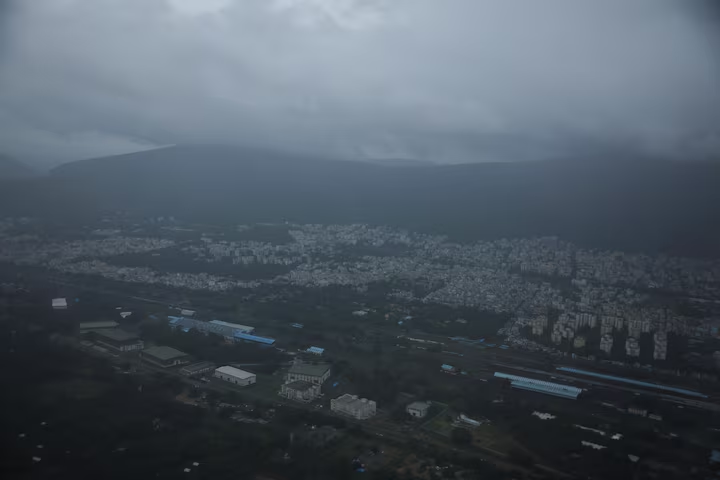
Cyclone Montha has intensified near India’s east coast, prompting authorities to evacuate around 50,000 people from vulnerable areas as a precaution. The cyclone is expected to bring heavy rains and strong winds, posing significant risks to coastal communities. Emergency services are prepared for rescue and relief operations, and residents have been urged to follow safety protocols and stay indoors. The government is closely monitoring the situation to mitigate the storm’s impact on life and property. This evacuation reflects proactive disaster management to minimize harm from this severe weather event
Cyclone Montha is a severe tropical cyclone approaching India’s east coast, primarily affecting the states of Andhra Pradesh, Odisha, and West Bengal. It has strengthened rapidly due to favorable ocean temperatures and atmospheric conditions. Authorities have issued red alerts and are closely monitoring weather updates to predict its landfall and impact zones.
Key details include:
-
Over 50,000 residents from low-lying and vulnerable coastal areas have been evacuated to safer shelters.
-
Heavy rainfall, with the potential for flooding and landslides, is expected over the next 48 to 72 hours.
-
Wind speeds are forecasted to reach up to 120-130 km/h, posing threats of uprooted trees, damaged power lines, and property damage.
-
Disaster response teams and the National Disaster Response Force (NDRF) are deployed for rescue and relief operations.
-
Fishermen have been advised against venturing into the sea, and schools and offices in the affected regions may remain closed temporarily.
The government has emphasized the importance of preparedness and urged citizens to heed evacuation orders and stay updated via official channels. Relief camps are equipped with essentials, and healthcare support has been mobilized to address potential emergencies.
Cyclone Montha is currently a severe cyclonic storm moving northward along the eastern coast of India, primarily impacting the states of Andhra Pradesh, Odisha, and West Bengal. The disaster management authorities have preemptively evacuated approximately 50,000 residents from low-lying, flood-prone, and coastal areas to safer shelters to reduce casualties and damage.
The Indian Meteorological Department (IMD) has issued orange and red alerts for the affected states, warning of intense rainfall between 100-200 mm in several districts and gusty winds up to 100-120 km/h expected in coastal regions. The cyclone is predicted to make landfall soon, and its heavy precipitation raises flood risks in rivers and urban areas.
Local administrations have deployed disaster response teams with medical aid, relief supplies, and water rescue boats. Electricity and communication lines are being reinforced or temporarily shut down in vulnerable zones to avoid accidents. Rail and road transport schedules have been adjusted to ensure public safety during the storm period.
Authorities have emphasized caution, advising residents to avoid unnecessary travel, secure properties, and stay updated via official channels. Relief camps are equipped with food, water, and medical facilities, and coordination with the Indian Army and Navy is underway for emergency operations if needed.
Cyclone Montha’s full-scale impact will depend on its landfall intensity and duration, with ongoing forecasts ensuring timely updates for preparedness and response. This event highlights the importance of robust early warning systems and community readiness in mitigating cyclonic disasters on India’s eastern seaboard.