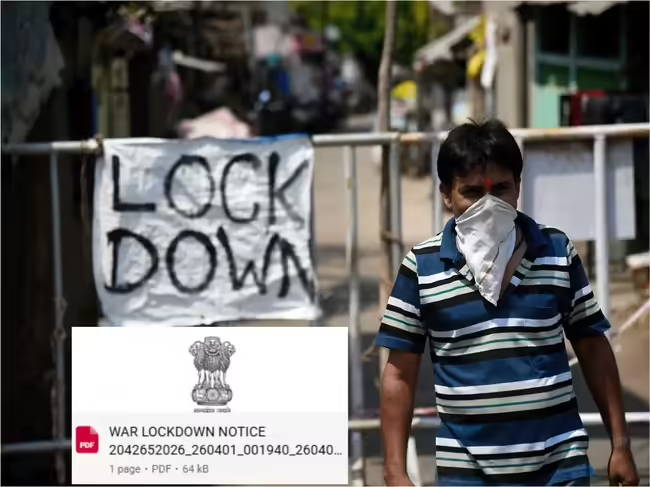
A recent viral document claiming a nationwide lockdown in India has created widespread concern and confusion among citizens. The notice, which appeared to resemble an official government circular, quickly spread across social media platforms, leaving many people wondering whether new restrictions were about to be enforced.
However, as panic began to grow, authorities and credible sources stepped in to clarify the situation. Here’s a detailed breakdown of what happened, whether the lockdown claim is real, and how to verify such information in the future.
📄 What Is the Viral “Lockdown in India” Notice?
The viral document circulating online claimed that the government had issued a directive announcing a lockdown across multiple regions. The format and language of the notice made it appear authentic, which contributed to its rapid spread.
Many users on platforms like WhatsApp, X (formerly Twitter), and Facebook shared the document without verifying its source. This led to confusion, especially among people who remembered the strict lockdown measures imposed during the COVID-19 pandemic.
⚠️ Government Clarification: No Nationwide Lockdown
Despite the alarming nature of the document, there is no official confirmation of a nationwide lockdown in India at this time.
Authorities have clarified that:
- The viral notice is not an official government order
- No new lockdown guidelines have been issued
- Citizens should rely only on verified government channels for updates
This incident highlights how easily misinformation can spread, especially when it mimics official formats and language.
🔍 Why Did the Document Go Viral?
Several factors contributed to the widespread circulation of this notice:
1. Familiar Fear from Past Lockdowns
The memory of sudden restrictions during the COVID-19 pandemic made people more susceptible to believing such claims.
2. Official-Looking Format
The document appeared to use formal language and formatting similar to real government circulars, increasing its credibility.
3. Rapid Social Media Sharing
Messaging platforms allow information to spread quickly, often without fact-checking.
🧠 How to Verify Such Claims
To avoid falling for misinformation, it’s important to follow a structured verification approach:
✅ Check Official Sources
Always verify news through:
- Government websites (like PIB or state portals)
- Trusted news outlets
✅ Look for Media Coverage
Major developments like nationwide lockdowns will always be covered by credible media organisations.
✅ Examine the Document
Watch for:
- Missing official seals or signatures
- Spelling or formatting errors
- Unverified sources or unclear origins
✅ Avoid Forwarding Unverified Content
Sharing unverified information contributes to panic and misinformation.
📢 Impact of Viral Misinformation
False information like this can have serious consequences:
- Public panic and confusion
- Disruption of daily life and business operations
- Loss of trust in official communication
In a country as large and diverse as India, misinformation can spread rapidly and impact millions within hours.
🏁 Final Verdict
The viral “Lockdown in India” notice is misleading and not an official government directive. There is currently no announcement of a nationwide lockdown.
Citizens are advised to stay calm and rely only on verified information sources. In today’s digital age, being cautious about what we read and share is more important than ever.