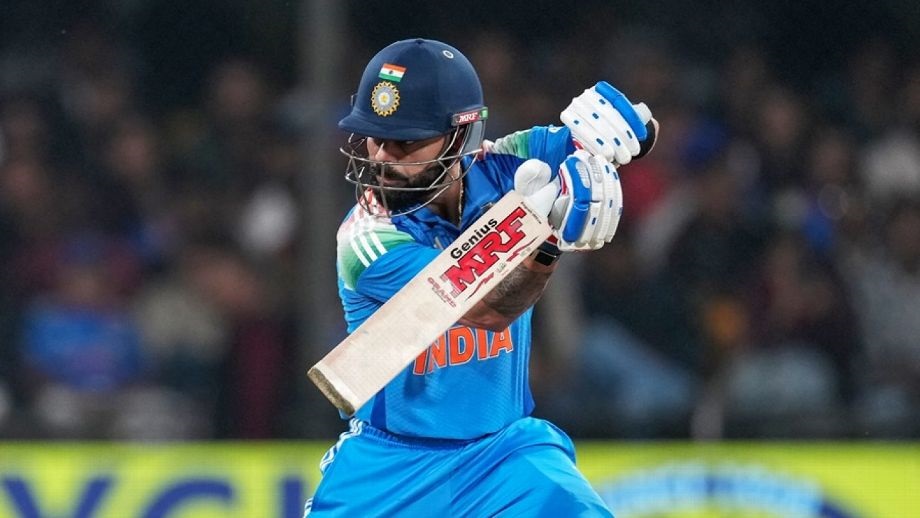
India’s recent historic ODI series defeat has sparked intense debate across the cricketing world. While Virat Kohli’s brilliance with the bat once again stood out, legendary former India captain Sunil Gavaskar offered a sharp and telling assessment of why individual excellence was not enough to prevent a disappointing series loss. His succinct remark — “Well begun is half done” — has since gone viral, perfectly capturing the deeper issues that plagued the Indian team throughout the series.
A Series to Forget for Team India
The ODI series defeat marked a rare and uncomfortable moment for Indian cricket. Known for its depth, consistency, and dominance in the 50-over format, India found itself repeatedly on the back foot. From slow starts at the top to inconsistent bowling spells and missed opportunities in the field, the series exposed gaps that cannot be ignored.
Despite entering the series as favourites, India failed to seize momentum early in the matches. Poor powerplay utilization — both while batting and bowling — became a recurring theme, setting the tone for defeats that followed.
Virat Kohli: A Lone Warrior Once Again
Amid the disappointment, Virat Kohli once again proved why he remains India’s most dependable ODI batter. His composure under pressure, ability to anchor innings, and hunger for runs were on full display. Kohli’s performances stood out not just statistically but also visually, as he fought to keep India competitive in matches that often slipped away too early.
However, as cricket history repeatedly shows, one player cannot win a series alone. Kohli’s brilliance masked deeper structural and tactical issues — a point Sunil Gavaskar was quick to highlight.
Sunil Gavaskar’s Blunt Assessment
Speaking after the series, Gavaskar summed up India’s struggles with a powerful proverb:
“Well begun is half done.”
His message was clear — India lost the series not in the middle overs or death overs, but right at the start.
Gavaskar emphasized:
-
Ineffective starts while batting, with early wickets or conservative powerplays putting pressure on the middle order
-
Lack of early breakthroughs while bowling, allowing opposition openers to dictate terms
-
A failure to set the tempo, which forced India into reactive rather than proactive cricket
According to Gavaskar, when a team consistently starts poorly, even exceptional performances like Kohli’s become damage-control efforts rather than match-winning contributions.
Powerplay Problems: The Root Cause
One of the biggest takeaways from Gavaskar’s analysis is India’s underwhelming powerplay impact. In modern ODI cricket, the first 10 overs often decide the trajectory of the match. Teams that dominate this phase gain scoreboard pressure, confidence, and tactical flexibility.
India, however, struggled to:
-
Capitalize on fielding restrictions while batting.
-
Strike early with the new ball.
-
Control run flow in the first 10 overs
These shortcomings meant India was often chasing the game before it truly began — validating Gavaskar’s “well begun” philosophy.
Team Balance and Selection Questions
Beyond starts, the series defeat has reignited conversations around team balance and selection strategy. Experts and fans alike have questioned:
-
Whether the right combination was chosen
-
If enough all-round options were included
-
Whether workload management affected intensity
Gavaskar subtly hinted that clarity of roles and sharper intent at the top are essential going forward, especially with major ICC tournaments on the horizon.
Lessons for the Road Ahead
While the ODI series defeat will sting, it also offers valuable lessons. Indian cricket has historically responded well to setbacks, using them as course corrections rather than crises.
Key lessons include:
-
Prioritizing aggressive yet calculated starts
-
Strengthening powerplay bowling plans
-
Ensuring partnerships, not solo efforts, define innings.
-
Aligning team selection with conditions and opposition strengths
Virat Kohli’s form remains a massive positive, but as Gavaskar rightly pointed out, cricket is a team sport, and strong beginnings are non-negotiable at the highest level.
Conclusion: Beyond Individual Brilliance
Sunil Gavaskar’s remark — “Well begun is half done” — may sound simple, but it cuts straight to the heart of India’s ODI struggles. The series defeat was not about lack of talent but about lack of momentum, intent, and execution at critical early stages.
As India looks ahead, the challenge will be to convert lessons into action. If the team can combine strong starts with the consistency of players like Virat Kohli, setbacks like this series defeat could become turning points rather than warning signs.