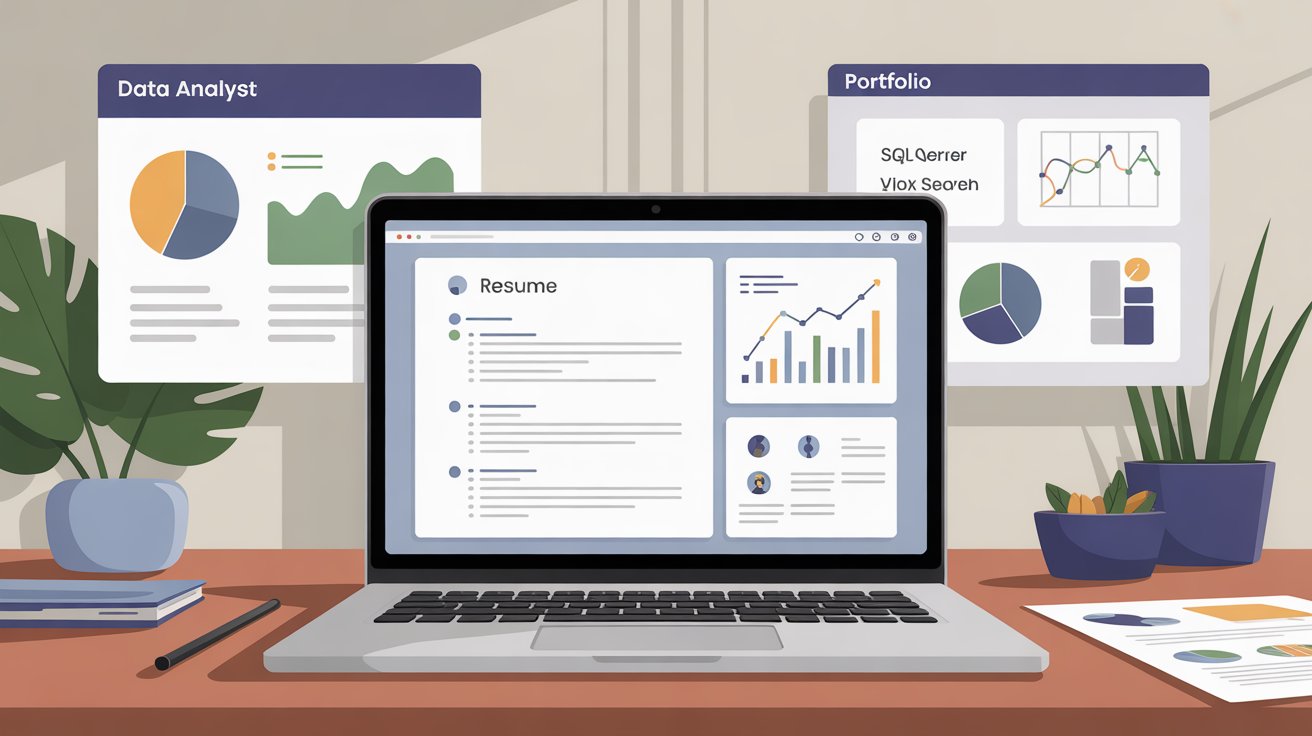
In today’s competitive job market, simply knowing SQL, Python, or Power BI is not enough. Recruiters and hiring managers scan hundreds of profiles, and only candidates with well-structured resumes and compelling portfolios stand out. For aspiring and experienced professionals alike, a real data analyst resume template combined with a strong portfolio can significantly improve interview call rates and job offers.
This guide breaks down what hiring managers actually look for, provides resume structure best practices, and shares portfolio tips that directly lead to job clicks and applications.
Why Most Data Analyst Resumes Get Rejected
Before looking at templates, it’s important to understand why many resumes fail:
-
Generic job descriptions copied from online sources
-
Overloaded technical skills without proof of impact
-
No business context or metrics
-
Missing project or portfolio links
-
Poor formatting that fails ATS (Applicant Tracking Systems)
Recruiters spend 6–10 seconds scanning a resume. Your resume must clearly show what you did, how you did it, and the business value you delivered.
Real Data Analyst Resume Template (What Actually Works)
1. Professional Summary (3–4 Lines)
Avoid buzzwords. Focus on skills, tools, and outcomes.
Example:
Data Analyst with 3+ years of experience analysing operational and business data using SQL, Python, and Power BI. Proven track record of improving reporting accuracy and supporting data-driven decision-making in fast-paced environments.
2. Key Skills Section (ATS-Optimized)
Group skills logically:
-
Data Analysis: SQL, Excel (Advanced), Python, R
-
Visualization: Power BI, Tableau, Looker
-
Databases: MySQL, PostgreSQL
-
Analytics: Data Cleaning, EDA, KPI Reporting
-
Business Skills: Stakeholder Communication, Requirement Analysis
This structure helps both ATS systems and human recruiters.
3. Work Experience (Impact Over Tasks)
Use bullet points with metrics.
Wrong:
-
Created dashboards using Power BI
Right:
-
Developed Power BI dashboards that reduced weekly reporting time by 40% and improved operational visibility for senior stakeholders
Focus on:
-
Business impact
-
Automation
-
Decision support
-
Cost or time savings
4. Projects Section (Mandatory for Job Seekers)
If you’re a fresher or switching careers, projects matter more than job titles.
Include:
-
Problem statement
-
Tools used
-
Outcome
Example:
-
Sales Performance Analysis using SQL & Power BI – Identified underperforming regions and improved revenue forecasting accuracy by 15%
5. Education & Certifications
Mention relevant certifications:
-
Google Data Analytics
-
IBM Data Analyst
-
Microsoft Power BI
-
SQL or Python certifications
Certifications increase resume credibility, but must be supported by real projects.
Data Analyst Portfolio Tips That Recruiters Love
A portfolio is often the difference between rejection and shortlisting.
1. Keep It Simple and Accessible
Your portfolio can be:
-
GitHub repository
-
Personal website
-
Google Drive with project PDFs
Include:
-
Clean dashboards
-
SQL queries
-
Python notebooks
-
Business insights, not just code
2. Show Business Thinking, Not Just Tools
Recruiters want analysts who:
-
Ask the right questions.
-
Interpret data meaningfully
-
Communicate insights clearly
Always explain:
-
Why was the analysis done?
-
What decision does it support?
-
What action can be taken?
3. Include Real-World Scenarios
Portfolios perform better when they include:
-
Operations analytics
-
Customer churn analysis
-
Financial or supply chain dashboards
-
KPI tracking use cases
These align directly with real job requirements.
4. Link Your Portfolio to Your Resume
Make your portfolio link:
-
Clickable
-
Visible near the top of the resume
Example:
Portfolio: github.com/yourname/data-analytics
Common Resume & Portfolio Mistakes to Avoid
-
Overloading tools without depth
-
No measurable outcomes
-
Poor formatting or unreadable fonts
-
Broken portfolio links
-
Using fake or irrelevant datasets
Authenticity and clarity matter more than flashy visuals.
Final Thoughts: Align Your Resume With Real Jobs
A strong data analyst resume and portfolio should mirror actual job requirements, not just course syllabi. Employers want analysts who can work with real data, support business decisions, and collaborate effectively with stakeholders.
If you’re actively applying and want to align your profile with real-world roles, explore current openings and tailor your resume accordingly.
👉 Apply for a live Data Analyst Operations role here:
https://digitalsolutiontech.com/job/data-analyst-operations/