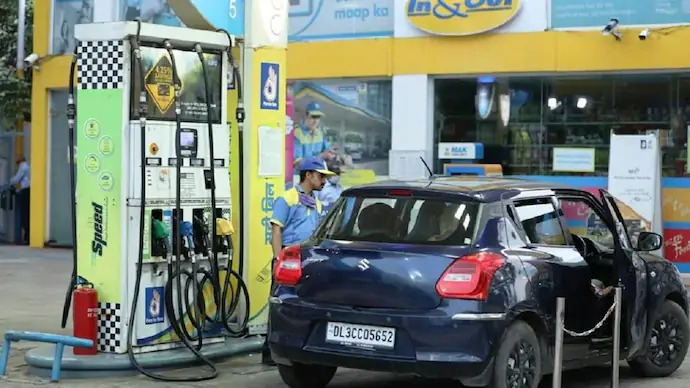
Premium petrol prices in India have recently been increased by up to ₹2.35 per litre, sparking concerns among consumers and industry experts alike. The hike comes at a time when geopolitical tensions in the Middle East are intensifying, directly impacting global crude oil supply and pricing dynamics.
This development is particularly significant as premium fuels are widely used in high-performance vehicles, making the cost implications more noticeable for urban consumers and businesses alike.
📊 Why Have Premium Petrol Prices Increased?
The primary reason behind the price hike is the ongoing instability in the Middle East, a region that plays a crucial role in global oil production. Any disruption or perceived risk to supply chains can lead to an immediate spike in crude oil prices.
Key Factors Driving the Price Increase:
-
Geopolitical Tensions: Conflicts and uncertainty in oil-producing nations raise fears of supply disruptions
-
Global Crude Oil Price Surge: Brent crude prices tend to rise during geopolitical instability
-
Supply Chain Concerns: Shipping routes and logistics may face disruptions
-
Currency Fluctuations: A weaker Indian Rupee against the US Dollar increases import costs
-
Refining and Distribution Costs: Higher operational costs for oil companies
Since India imports a significant portion of its crude oil requirements, any increase in global prices quickly translates into higher fuel costs domestically.
⛽ What is Premium Petrol?
Premium petrol is a higher-grade fuel with better octane ratings compared to regular petrol. It is designed to improve engine performance, reduce knocking, and enhance efficiency in high-end or performance vehicles.
Although not essential for all vehicles, many car owners prefer premium petrol for smoother engine operation and long-term maintenance benefits.
📉 Impact of the Petrol Price Hike
The increase in premium petrol prices is expected to have a ripple effect across multiple sectors.
🚗 Impact on Consumers
-
Higher fuel costs for users of premium petrol
-
Increased monthly expenses for daily commuters
-
Potential shift towards regular petrol or alternative fuels
🚚 Impact on Businesses
-
Logistics and transportation costs may rise
-
Delivery-based businesses could face margin pressures
-
Ride-hailing and fleet operators may adjust pricing
📈 Inflationary Pressure
-
Fuel price hikes often contribute to overall inflation
-
Increased cost of goods and services due to higher transportation expenses
🌍 How Middle East Tensions Influence Fuel Prices
The Middle East accounts for a large share of global oil exports. Any disruption—whether due to conflict, sanctions, or political instability—can significantly affect oil supply.
When supply risks increase:
-
Oil traders anticipate shortages
-
Prices rise in global markets
-
Import-dependent countries like India face immediate cost pressures
Even the possibility of disruption can cause price volatility, making fuel prices highly sensitive to geopolitical developments.
🔮 What Can Consumers Expect Next?
Fuel prices in India are influenced by both international crude oil prices and domestic taxation policies. While oil companies adjust prices based on global trends, government intervention can sometimes stabilize rates.
Possible Future Trends:
-
Further hikes if geopolitical tensions escalate
-
Price stabilization if global supply normalizes
-
Increased focus on alternative fuels like EVs and CNG
-
Potential government measures to control inflation
Consumers may need to prepare for continued volatility in fuel prices in the short term.
💡 Tips to Manage Rising Fuel Costs
With fuel prices on the rise, here are some practical ways to reduce your expenses:
-
Opt for fuel-efficient driving habits
-
Maintain proper tyre pressure and vehicle servicing
-
Consider carpooling or public transport
-
Evaluate if your vehicle truly requires premium petrol
-
Explore electric or hybrid vehicle options
📌 Final Thoughts
The recent premium petrol price hike of up to ₹2.35 per litre highlights how global geopolitical events can directly impact everyday expenses in India. While premium fuel users will feel the immediate pinch, the broader economic implications could extend to multiple sectors.
As the situation in the Middle East evolves, fuel prices are likely to remain unpredictable. Staying informed and adopting cost-saving strategies can help consumers navigate this phase more effectively.