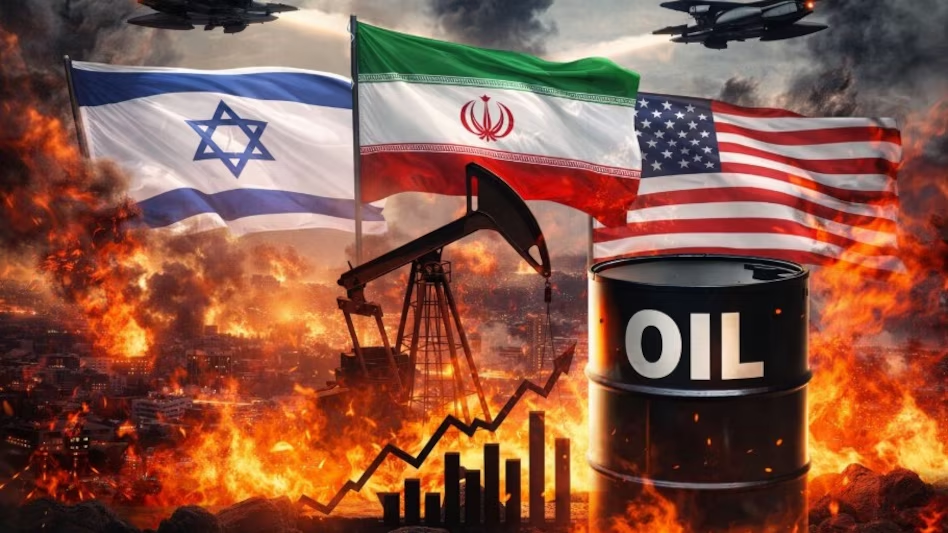
Rising tensions in the Middle East and the escalating US-Iran conflict have triggered global worries about oil supply disruptions and energy security. However, India’s Union Minister for Petroleum and Natural Gas, Hardeep Singh Puri, has reassured citizens that India currently has sufficient energy supplies and there is no cause for panic.
Amid reports that the conflict could affect global oil markets and shipping routes, the minister emphasized that India’s energy supply chain remains stable. His statement aims to calm fears among consumers and businesses who depend on petroleum products for transportation, industry, and household use.
This development has become one of the most discussed topics in India’s energy and economic landscape as geopolitical tensions continue to influence global fuel markets.
Government Assures Stable Energy Supply
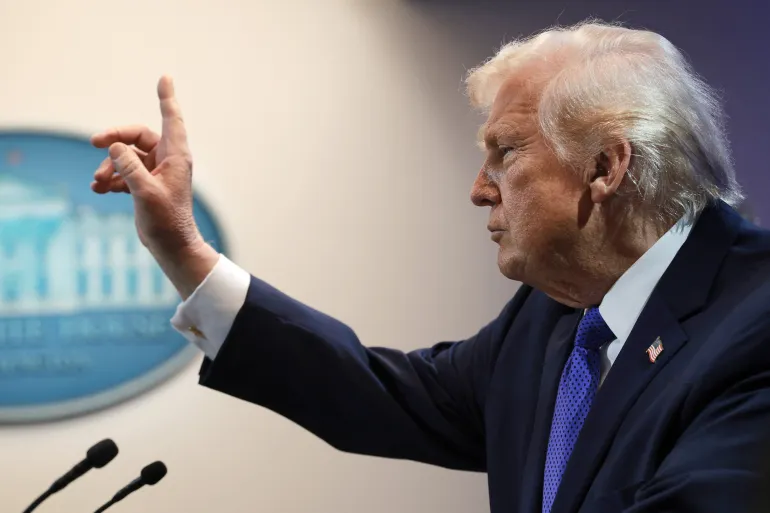
Speaking about the situation, Petroleum Minister Hardeep Singh Puri clarified that India has adequate reserves of crude oil and petroleum products to handle short-term disruptions caused by geopolitical tensions.
According to the minister, the government’s top priority is ensuring that citizens have uninterrupted access to affordable fuel. He stated that there is “no shortage of energy in India and there is no cause for worry for energy consumers.”
Authorities have also urged the public not to believe rumours circulating on social media about potential fuel shortages. India’s state-owned oil companies confirmed that fuel supply and distribution networks across the country are operating normally.
Why the US-Iran Conflict Matters for Global Oil Markets
The ongoing geopolitical tensions in the Middle East have raised global concerns because the region plays a crucial role in oil production and export. A significant portion of the world’s crude oil shipments passes through the Strait of Hormuz, a narrow maritime route connecting the Persian Gulf with global markets.
For India, this route is particularly important since a large share of its energy imports comes from West Asian countries. Any disruption in shipping routes could potentially impact fuel supplies and increase oil prices worldwide.
However, the Indian government says it is closely monitoring the situation and has already taken several precautionary measures to safeguard the country’s energy needs.
India’s Strategy to Protect Energy Security
India has gradually strengthened its energy security strategy in recent years by diversifying its sources of crude oil and natural gas imports.
Previously, the country relied heavily on Middle Eastern suppliers, but it now imports energy from multiple regions. Government sources indicate that India has expanded its supplier base significantly over the past few years, helping reduce dependence on a single region.
For instance, Russia has become an important supplier of crude oil to India since 2022, with its share in India’s total imports increasing considerably.
This diversification strategy ensures that India can continue to access oil even if supplies from certain regions face disruptions.
Measures to Ensure LPG and Fuel Availability
Despite the minister’s assurance of sufficient energy supplies, the government is taking additional steps to prevent shortages of essential fuels such as Liquefied Petroleum Gas (LPG).
Reports suggest that authorities have directed domestic refiners to increase LPG production to ensure adequate availability across the country. These precautionary measures are designed to maintain stable supply chains during uncertain geopolitical conditions.
India is one of the world’s largest consumers and importers of LPG, making an uninterrupted supply critical for millions of households that rely on cooking gas.
Monitoring Global Oil Prices and Supply Routes
Another challenge for India is managing the economic impact of fluctuating oil prices. Global crude prices often rise during geopolitical conflicts due to fears of supply disruptions.
Energy experts note that freight costs, shipping insurance, and logistics expenses may increase during such crises. These factors can indirectly affect fuel prices in importing countries like India.
To manage these risks, the government is maintaining constant communication with global suppliers and monitoring developments in international energy markets.
No Need for Panic Buying
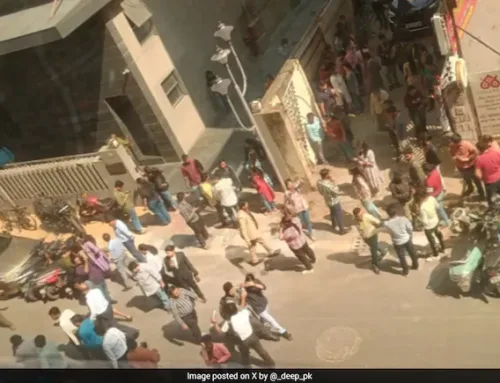
Amid reports of long queues at petrol stations in some regions, petroleum authorities have advised citizens not to engage in panic buying. Officials confirmed that India currently holds adequate stocks of crude oil, petrol, diesel, and aviation fuel to meet domestic demand.
The government has also set up monitoring systems to track fuel availability and respond quickly to any supply disruptions.
The Bigger Picture: India’s Energy Resilience
India is one of the world’s largest energy consumers, importing nearly 90% of its crude oil requirements. Because of this heavy dependence on global energy markets, geopolitical developments often have significant economic implications.
However, recent policy measures—such as diversifying import sources, maintaining strategic reserves, and expanding refining capacity—have improved the country’s ability to handle external shocks.
Minister Hardeep Singh Puri’s statement highlights the government’s confidence in its energy management strategy even during global crises.
Conclusion
The ongoing tensions related to the US-Iran conflict have raised concerns about global oil supplies and fuel prices. Yet India’s leadership has assured citizens that there is currently no shortage of energy in the country.
With sufficient fuel reserves, diversified supply sources, and proactive government measures, India appears well prepared to navigate the potential impact of the geopolitical crisis.
For now, officials emphasize that consumers should remain calm and rely on official information rather than rumours, as the country’s energy infrastructure continues to operate smoothly.