Introduction
In a bold move, Nepal Gen Z support Sushila Karki as Interim Prime Minister amid the country’s ongoing political crisis in 2025. This demand reflects the youth’s frustration with corruption, instability, and the dominance of traditional political leaders. Gen Z is calling for a fresh face with integrity and vision — and they believe former Chief Justice Sushila Karki fits that role.
Who is Sushila Karki?
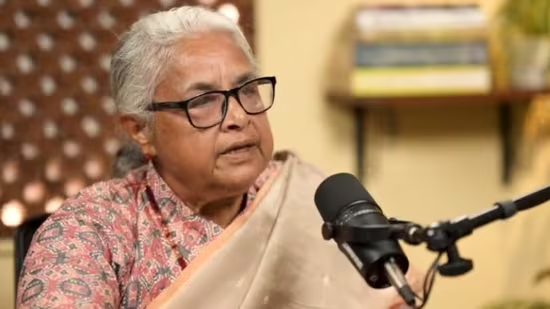
Sushila Karki made history as Nepal’s first female Chief Justice. She is widely respected for her anti-corruption stance and her commitment to judicial independence. Known for fearless decisions in high-profile corruption cases, she became a symbol of clean politics in Nepal and a strong advocate for the rule of law.
Why Nepal Gen Z Support Sushila Karki as Interim Prime Minister
Nepal’s younger generation has been at the forefront of youth protests demanding accountability and reform. Their support for Karki comes down to several factors:
-
Clean Image: She is seen as free from political corruption.
-
Rule of Law Advocate: Her judicial career inspires trust in fairness and justice.
-
Rejection of Old Politics: Gen Z want to move beyond the political elite blamed for Nepal’s instability.
-
Symbol of Change: As a woman leader in South Asia, she represents empowerment and progress.
Nepal’s Political Crisis 2025 and Gen Z’s Role
The country is facing a political deadlock, with parties unable to form consensus. Amid this crisis, calls for an interim government in Nepal are growing stronger. Gen Z, through social media movements and protests, have emerged as a powerful voice. Their demand for Sushila Karki as Interim Prime Minister highlights the rise of a new political consciousness.
What This Could Mean for Nepal’s Future
If Sushila Karki were appointed as interim PM, it could transform Nepal’s democracy:
-
A shift from party-driven politics to independent leadership.
-
Restoration of youth trust in governance.
-
Momentum for political reform in Nepal.
-
A global spotlight on Nepal embracing an anti-corruption leader.
However, her appointment would require broad political consensus, a challenge given Nepal’s fragmented political landscape.
Final Thoughts
The demand that Nepal Gen Z support Sushila Karki as Interim Prime Minister is more than a political slogan; it is a reflection of a generational shift. Whether or not she is appointed, this movement signals that young Nepalis are determined to shape their country’s future — one rooted in transparency, justice, and reform.