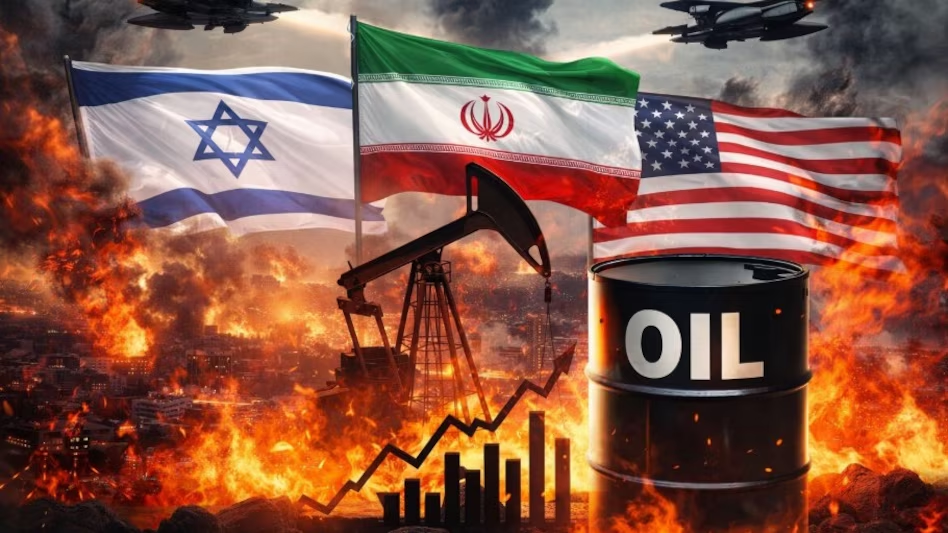
The ongoing Iran–Israel conflict is beginning to create ripple effects far beyond the battlefield. One of the most immediate impacts is being felt in India’s energy sector, where concerns about a potential LPG (Liquefied Petroleum Gas) shortage are growing rapidly.
With tensions escalating in West Asia, disruptions in global fuel supply chains are raising alarms across India, affecting restaurants, hotels, industries, and possibly households that rely heavily on LPG cylinders for daily use.
Why the Iran-Israel War Is Affecting LPG Supply
India imports a large share of its LPG from Middle Eastern countries such as Saudi Arabia, Qatar, and the UAE. Much of this fuel passes through the strategically critical Strait of Hormuz, a narrow shipping corridor that handles a significant portion of the world’s oil and gas trade.
Due to escalating tensions in the region, shipping disruptions and supply chain interruptions have begun affecting global energy flows. As a result, LPG shipments heading toward India have slowed, creating concerns about availability.
India depends heavily on imports for its cooking gas needs—about 62% of its LPG demand is met through imports, making the country particularly vulnerable to global supply shocks.
Commercial LPG Shortage Already Visible
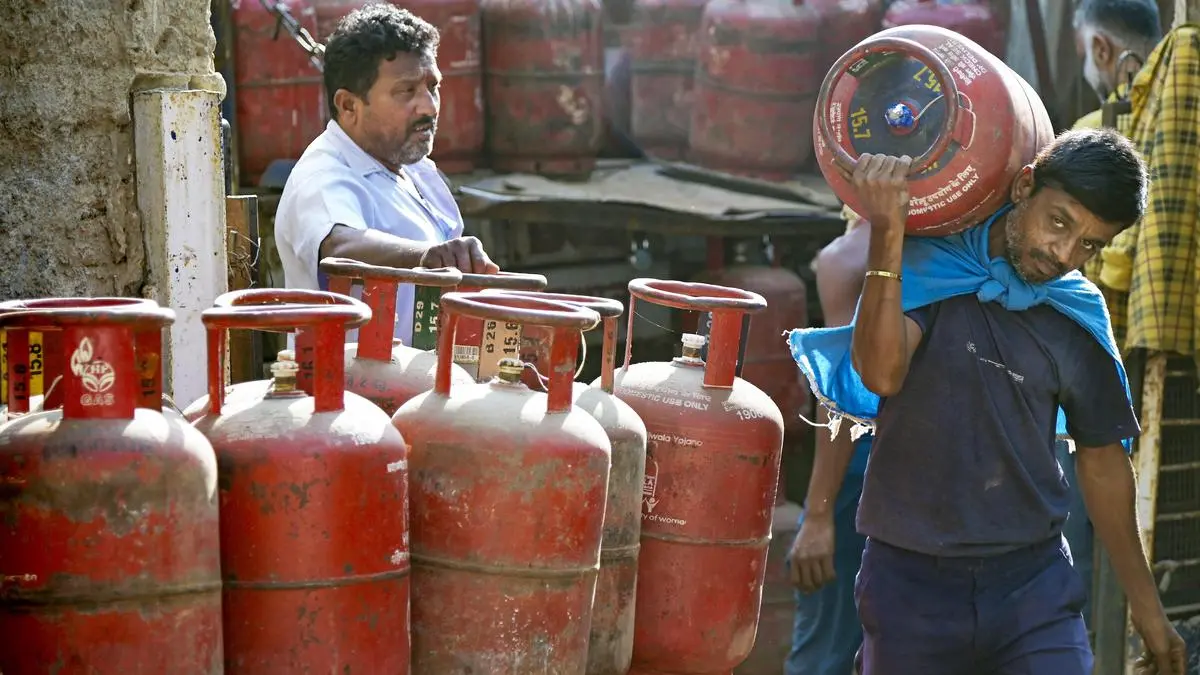
Reports from several Indian cities suggest that commercial LPG cylinders, widely used by restaurants, hotels, and catering businesses, are becoming increasingly scarce.
Cities such as Mumbai, Bengaluru, and Chennai have already begun experiencing supply disruptions. Restaurants in these areas have warned that they may be forced to shut down temporarily if the shortage continues.
Hospitality industry associations say many establishments only maintain two to three days of LPG stock, making them extremely vulnerable to sudden supply interruptions.
Restaurants and Hospitality Sector Under Pressure
The shortage is particularly worrying for India’s hospitality sector. Restaurants, hotels, malls, and community kitchens rely on 19-kg commercial LPG cylinders for cooking and operations.
Industry groups have warned that if supplies are not restored quickly, many eateries may have to suspend operations due to the lack of cooking gas.
In some cities, restaurant owners have already started exploring alternatives such as:
-
Switching to electric or induction stoves
-
Reducing operating hours
-
Adjusting menu offerings to conserve fuel
However, these solutions are temporary and may increase operational costs.
Government Steps to Manage the Crisis
The Ministry of Petroleum and Natural Gas has taken several steps to manage the emerging situation.
One major move is to prioritize LPG supply for household consumers, ensuring that domestic kitchens continue to receive cooking gas without disruption.
Additional measures include:
-
Increasing LPG production at domestic refineries
-
Restricting refill bookings to a 25-day gap to prevent hoarding
-
Reserving imported LPG for critical services such as hospitals and educational institutions
-
Creating a committee to review supply requests from restaurants and industries
These steps aim to stabilize supply while global energy markets remain volatile.
Rising LPG Prices Add to Concerns
The uncertainty caused by the Middle East conflict has also pushed LPG prices higher.
Recent reports indicate that:
-
Commercial LPG cylinder prices have increased by around ₹115
-
Domestic LPG cylinder prices have risen by about ₹60 in some cities
These price increases reflect growing pressure on global fuel markets and supply chains.
If geopolitical tensions persist, analysts warn that cooking gas prices could rise further in the coming weeks.
Impact on Indian Consumers and Businesses
Although the government has prioritized household supplies, the situation could still affect everyday life in several ways:
1. Higher Food Prices
Restaurants facing higher fuel costs may increase menu prices.
2. Limited Restaurant Operations
Some eateries may reduce operating hours or temporarily close.
3. Longer Waiting Time for LPG Refills
Reports indicate refill waiting times in some cities have increased significantly.
4. Supply Pressure on Small Businesses
Catering services, bakeries, and small food outlets may struggle to maintain operations.
India’s Energy Security Under Scrutiny
The current crisis highlights how global geopolitical conflicts can directly affect domestic economies. As one of the world’s largest energy importers, India remains vulnerable to disruptions in international fuel markets.
Experts say the situation may accelerate discussions about:
-
Increasing strategic energy reserves
-
Expanding domestic LPG production
-
Investing more heavily in renewable energy and electric cooking solutions
Conclusion
The Iran-Israel conflict has already begun impacting global energy supply chains, and India is feeling the early effects through LPG shortage fears and rising prices. While the government has taken steps to protect domestic consumers, sectors like hospitality and small businesses are facing immediate challenges.
If tensions in the Middle East continue or worsen, the pressure on India’s LPG supply could increase further. For now, authorities are working to stabilize the situation and ensure that households across the country continue to receive uninterrupted cooking gas supplies.