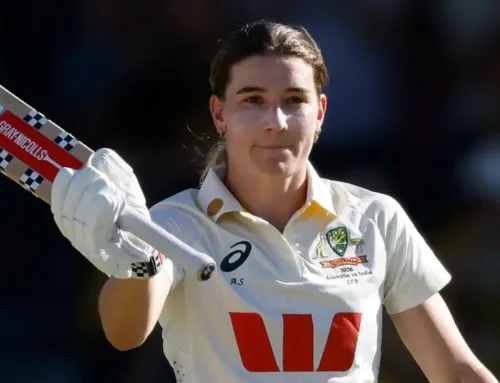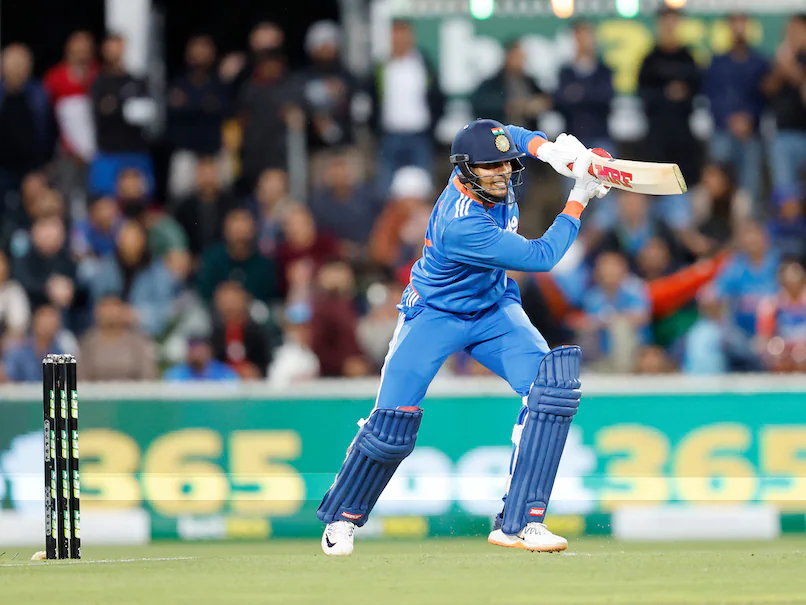
When the India national cricket team took on the Australia national cricket team in the opening game of their five-match T20I series in Canberra on 29 October 2025, fans were treated to a start nothing short of explosive — until weather intervened. Unfortunately for India, their promising start could not be turned into a result, as persistent rain forced the match to be abandoned after just 9.4 overs, leaving the score at 97 for 1.
🔥 A Blistering Opening Stand
Australia won the toss and elected to field under the lights at the Manuka Oval in Canberra — a venue known for its seaming wicket and unpredictable weather.
India’s openers immediately launched an assault:
-
Abhishek Sharma, fresh off an excellent Asia Cup, started aggressively with 19 off 14 balls before falling to Nathan Ellis.
-
What followed was a scintillating cameo from skipper Suryakumar Yadav, who smashed 39* off 24 balls, while Shubman Gill remained unbeaten on 37 off 20.
Together, Gill and Yadav added 54 runs in just 4.4 overs after the first rain interruption — at that moment, India looked firmly in control.
🌧 Rain Strikes, Momentum Lost
However, the heavens had other plans. A first rain interruption came early, forcing a cover and delay. The match was subsequently reduced to 18 overs per side due to the time lost and Canberra’s strict floodlight curfew (lights off by 11 p.m.).
When play resumed, India looked set to cash in — only for another heavy downpour to stop play once more. With the minimum number of overs for a result (5 in the second innings) no longer feasible, the umpires had no choice but to abandon the contest.
📌 What This Means for India
-
Positive takeaway: The batting intent was impressive. India’s top order — especially Gill and Yadav — showed intent, timing and fearlessness. For a touring side looking to build momentum ahead of the T20 World Cup, this is encouraging.
-
Missed opportunity: A dominant position of 97 for 1 in 9.4 overs could easily have translated into a big total or even a win, but the chances were washed away.
-
Disruption of rhythm: External factors—weather, curfew regulations—interfered with play. India hopes such factors don’t hinder future games in the series.
-
Mental edge: Leaving the ground having looked strong can carry psychological benefit into the next match. Australia, meanwhile, got off with a reprieve.
🎯 Australia’s missed window
Australia’s decision to bowl first backfired as India took early control. Options like Hazlewood and Ellis were put under pressure, and the hosts never really got their bowlers settled before the rain took over. The curfew/regulation constraints also meant they had less margin for error.
✅ Looking Ahead to Game 2
With the opener wiped out, both teams now shift focus entirely to the second T20I scheduled in Melbourne on 31 October. (Adjusting for any schedule changes.) India will aim to build on this positive start and convert intent into a result, especially since momentum in T20S often swings quickly. Australia will be keen to reset and make a strong statement at home.
For India fans, the message is clear: the intent is there, the finishing is yet to be tested — but the blank slate of a washed-out game offers no damage, only potential. The next match promises to be full of answers.