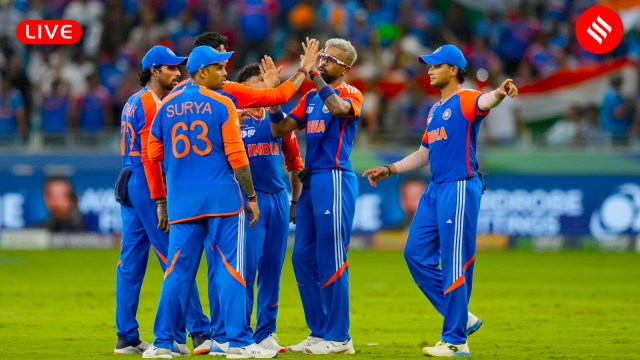
The India vs Pakistan Asia Cup 2025 clash in Dubai ended not only with a convincing victory for India, but also with an unexpected off-field controversy: several Indian players reportedly did not shake hands with their Pakistani counterparts after the match, sparking backlash, official protests and wide social-media debate.
What happened?
Immediate reactions — boards, captains and crowds
The Pakistan Cricket Board (PCB) registered a formal complaint with tournament officials and the Asian Cricket Council (ACC), calling the incident “unsporting” and urging action. Pakistan team management also lodged concerns about some aspects of the match officiating and the post-match sequence.
On the Indian side, a senior Board of Control for Cricket in India (BCCI) official described the handshake as a goodwill gesture rather than a legal or mandatory requirement, and indicated the board would comment through official channels. Multiple reports indicate India may retain the “no-handshake” stance for the remainder of the tournament.
Why did this become a bigger issue?
The India–Pakistan cricket rivalry is heavily loaded with political and emotional overtones. This particular incident came soon after heightened tensions in the region, and some observers said the refusal to shake hands had a symbolic dimension beyond sport. Pakistan’s media and former cricketers described the action as a breach of sportsmanship, while some Indian voices framed it as a response to recent events.
Governance and disciplinary steps
Pakistan asked the ACC and the International Cricket Council (ICC) to examine the matter and, according to multiple outlets, even sought the removal of match referee Andy Pycroft from the tournament. The ICC reportedly rejected an appeal to remove the referee, saying it remained confident in the neutrality of the officiating. Meanwhile, the ACC has said it will review the complaint and consider any disciplinary steps under tournament regulations.
Voices from former players and pundits
Former internationals from both countries have weighed in. Many in Pakistan called the act discourteous and urged the ICC to act; some Indian former players and analysts asked for the matter to be viewed in the context of wider national sensitivities. Social media amplified both views, with hashtags and clips trending for hours after the match.
Reactions from Fans and Experts
-
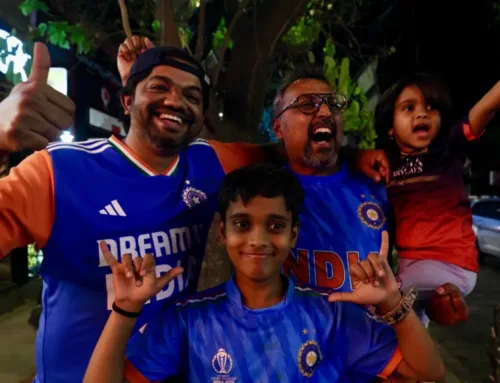
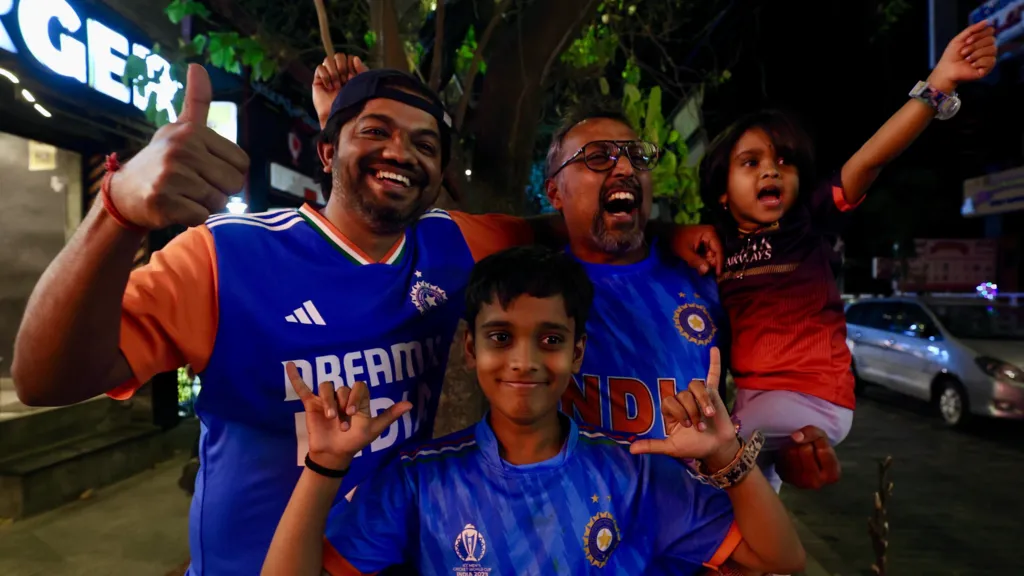
Indian Fans: Many Indian supporters defended the players’ actions, citing ongoing political tensions and security concerns as possible reasons.
-
Pakistani Fans: Fans across the border expressed disappointment, calling it a “lack of respect” and demanding an official explanation from cricket boards.
-
Former Cricketers: Several former players from both nations weighed in, emphasising the importance of keeping sports and politics separate.
-
Social Media Buzz: Hashtags like #AsiaCup2025, #IndvsPak, and #HandshakeRow began trending on X (formerly Twitter), with millions of posts flooding timelines.
Possible Reasons Behind the Refusal
-
Intense Rivalry: India vs Pakistan matches are known for their intensity and pressure, both on and off the field.
-
Political Tensions: Ongoing diplomatic strains may have influenced the players’ decision.
-
Emotional Reactions: The high stakes of the game could have led to emotional outbursts.
Impact on the Asia Cup 2025
The controversy has shifted the spotlight away from cricket and onto sportsmanship. The Asian Cricket Council (ACC) may issue a statement or advisory to prevent further escalation. Despite the uproar, fans are still eagerly waiting for a potential India vs Pakistan final clash in the tournament.
What this means for the Asia Cup and future ties
The controversy has put additional pressure on tournament organisers to ensure on-field contests do not spill into off-field diplomatic rows. If the teams meet again in the Super Four or the final, organisers will likely issue guidance to players about post-match protocols. Cricket stakeholders have urged calm and called for the game itself to remain the centrepiece of attention.