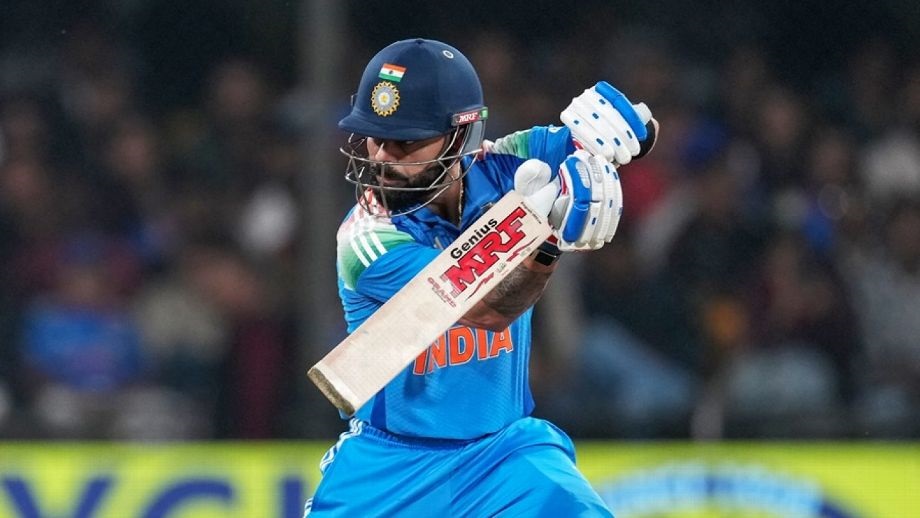
In a commanding display of balanced skill and team effort, the India national cricket team (“India”) edged ahead in the five-match T20I series against the Australia national cricket team (“Australia”) with a 2-1 lead, courtesy of a clinical bowling performance that shut out the hosts when it mattered most.
A solid total sets the tone
Batting first, India posted 167/8 on a surface described as “not the easiest” for batting — a total that looked moderate but proved to be more than sufficient in the end. Opening contributions from Shubman Gill (46) and a useful knock from Abhishek Sharma helped India lay the platform early, with some late flourishes from Axar Patel (21* off 11) adding important wiggle room.
The middle overs saw some hiccups — Australia fought back, tightening the screws — but India’s timely acceleration turned the tide back. Gill’s innings stood out, and Axar’s cameo at the end added crucial depth.
Bowling brilliance seals the deal
What truly made the difference was India’s collective bowling effort. In a rare feat, each of India’s six bowlers picked up at least one wicket. The Australians, chasing a relatively modest target, never really looked comfortable once the innings got past its early stage.
After starting reasonably (they were 67/1 at one point), Australia crumpled — losing 52 for 9 and finishing at 119 all out. Bowler of the match honours went to Axar with a 2/20 spell, backed up by stellar contributions from Washington Sundar (3/3) and Shivam Dube (2/20).
Why this match matters
Taking a 2-1 lead in a five-match series in Australia is significant for India, especially on pitches and conditions that often favour the hosts. In this context:
-
India showed discipline in both innings — putting up a defendable total, then sticking to a clear plan with the ball.
-
The performance was collective: not just one or two standouts, but five+ bowlers contributing.
-
In an away series, momentum is crucial; moving ahead now places Australia under pressure.
Key take-aways
-
Gill’s maturity: His 46 anchored the innings when India needed someone to stand tall.
-
Axar’s dual role: Scored quickly at the death and delivered with the ball — a fine all-round showing.
-
Depth showing up: The fact that six bowlers weighed in suggests India’s bench strength is growing.
-
Australia’s collapse: After a strong start in the chase, losing momentum cost them dearly.
-
Strategic importance: With two matches remaining, India will now look to convert this into a series win — something particularly sweet in Australia.
What’s next?
With one match to go in the series, India are in a commanding position. Australia will be desperate to bounce back and level the series, while India will aim to maintain momentum and seal the deal. The match offers a chance for India to reinforce the notion that they’ve arrived as a more consistent white-ball unit, and for Australia to remind everyone why home advantage counts.
Final word
This clash will be remembered as a match where India combined a sensible batting platform with ruthless bowling execution. In challenging conditions, they showed mental strength, tactical clarity, and team unity. As the series heads deeper, India has given itself the best possible chance — now it’s about following through.