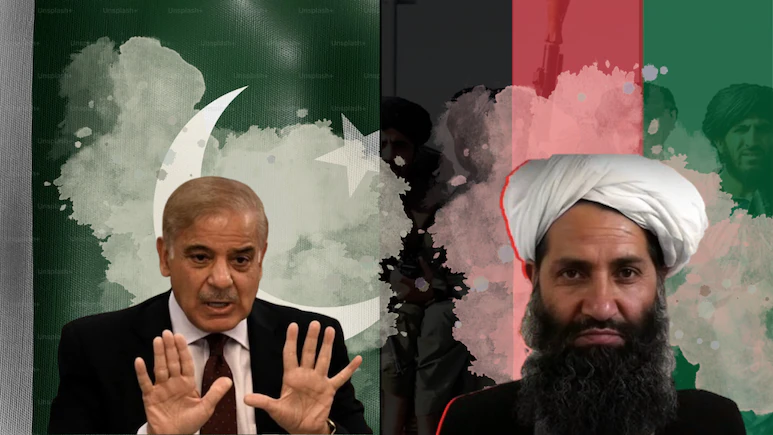
Tensions in South Asia have escalated after India strongly condemned Pakistan over an alleged airstrike on a hospital in Afghanistan. The incident, described by Indian officials as an attempt to “dress up a massacre as a military operation,” has sparked international concern and renewed focus on regional security dynamics.
🇮🇳 India’s Strong Reaction
The government of India issued a sharp response following reports of civilian casualties caused by the strike. Officials criticized Pakistan for targeting what was reportedly a civilian healthcare facility, calling the action unjustifiable and in violation of international humanitarian norms.
According to Indian statements, the strike cannot be framed as a legitimate counter-terrorism operation if civilian infrastructure—especially a hospital—is involved. The remarks emphasized that such actions undermine regional peace and escalate tensions further.
💥 The Reported Airstrike in Afghanistan
The alleged airstrike took place in Afghanistan, where local sources claimed that a hospital was hit during a military operation. Early reports indicate that multiple civilians, including patients and medical staff, may have been affected.
Hospitals and medical facilities are protected under international humanitarian law, making any attack on them a serious concern. The incident has drawn attention from global observers, who are calling for a transparent investigation into what occurred.
🌍 International Concerns and Legal Implications
The attack raises serious questions about compliance with the Geneva Conventions, which strictly prohibit targeting civilians and medical infrastructure during conflicts. Any violation of these rules could be considered a war crime under international law.
Global human rights organisations have expressed concern and urged all parties to exercise restraint. The need for accountability and an independent inquiry has become a central demand from the international community.
⚖️ Pakistan’s Position
While India has strongly criticized the incident, Pakistan has maintained that its military operations are targeted and aimed at neutralizing security threats. Pakistani officials have not fully confirmed the specifics of the reported strike but have reiterated their stance on combating militancy.
This divergence in narratives highlights the complexity of the situation, where conflicting claims make it difficult to establish the full facts without an impartial investigation.
🔍 Impact on Regional Stability
The situation adds to already strained relations between India and Pakistan. Both nations have a long history of geopolitical tensions, and incidents like this risk further destabilizing the region.
Additionally, the involvement of Afghanistan—a country already dealing with internal challenges—complicates the broader security environment. Any escalation could have ripple effects across South Asia, affecting diplomatic relations and regional cooperation.
🧭 The Need for Accountability
Experts stress that the priority now should be establishing the facts through an independent and transparent investigation. Ensuring accountability is crucial not only for justice but also for preventing similar incidents in the future.
Respect for international law, especially the protection of civilians and medical facilities, remains a cornerstone of global peace efforts. Violations, if proven, must be addressed through appropriate legal and diplomatic channels.
📢 Conclusion
India’s strong condemnation of Pakistan over the alleged Afghanistan hospital strike has brought renewed attention to the importance of protecting civilians in conflict zones. As the situation develops, the international community will be closely watching for credible investigations and responsible actions from all parties involved.
In a region already marked by geopolitical sensitivities, maintaining restraint and adhering to international norms will be essential to prevent further escalation and ensure long-term stability.