Eid is a time of celebration, reflection, and connection. Across the world, millions come together to mark the occasion with prayers, feasts, and acts of generosity. Yet, behind the vibrant colours and joyful gatherings, there exists a deeper narrative—one that reflects both happiness and hardship. Through powerful imagery, Eid reveals a dual reality: one of celebration and another of resilience in the face of adversity.
From bustling marketplaces filled with last-minute shoppers to quiet graveyards where families remember lost loved ones, Eid is observed in contrasting ways that highlight the diversity of human experience.
Festive Joy: A Celebration of Togetherness
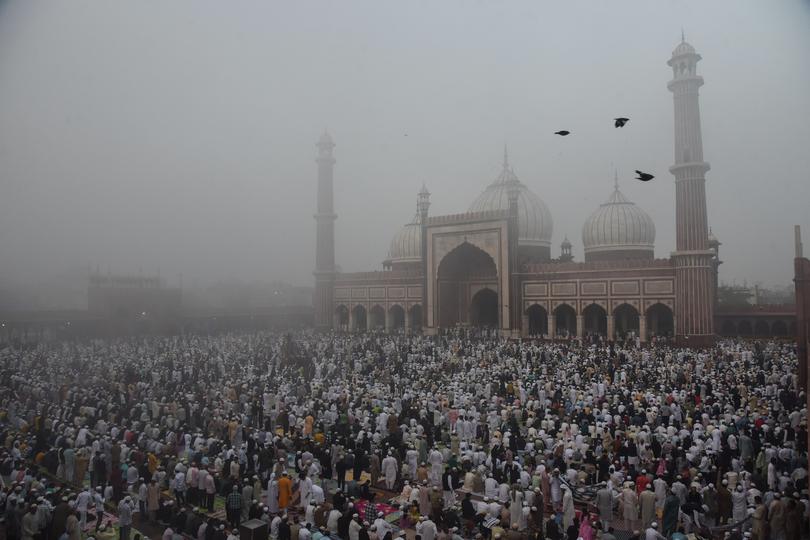
In many parts of the world, Eid begins with early morning prayers, where communities gather in mosques and open grounds dressed in their finest attire. The atmosphere is filled with warmth as people greet each other with smiles and embraces, exchanging heartfelt wishes.
Markets come alive in the days leading up to Eid. Streets are decorated with lights, vendors display colourful clothing, and the aroma of traditional sweets fills the air. Families prepare elaborate meals, often featuring dishes that are reserved exclusively for this special occasion. Children, in particular, experience Eid with unmatched excitement—receiving gifts, wearing new clothes, and enjoying festive treats.
These moments, often captured in photographs, showcase the universal themes of joy, gratitude, and unity. Images of families sharing meals, friends laughing together, and communities celebrating collectively remind us of the beauty of human connection.
Moments of Reflection: Remembering Loved Ones
While Eid is largely associated with happiness, it is also a time for remembrance. Many families visit the graves of their loved ones, offering prayers and reflecting on memories. These quieter moments are deeply emotional and serve as a reminder of the passage of time and the importance of cherishing relationships.
Photographs taken in cemeteries during Eid often tell powerful stories—of loss, love, and enduring bonds. People are seen cleaning graves, placing flowers, and standing in silent prayer. These images contrast sharply with the festive scenes, yet they are equally integral to the essence of Eid.
Eid in Conflict Zones: Celebrating Amid Struggle
For those living in war-affected or economically challenged regions, Eid can be a starkly different experience. Instead of vibrant celebrations, many face uncertainty, displacement, and loss. In such places, Eid becomes a symbol of resilience rather than abundance.
Images from these regions often depict children playing among ruins, families gathering in modest settings, and communities finding ways to celebrate despite limited resources. Even in the face of hardship, the spirit of Eid persists—demonstrating the strength and hope that define human nature.
These visuals serve as a powerful reminder that while circumstances may differ, the essence of Eid—faith, gratitude, and togetherness—remains constant.
The Power of Images: Telling Untold Stories
Photography plays a crucial role in capturing the multifaceted nature of Eid. A single image can convey emotions that words often cannot—joy in a child’s laughter, sorrow in a quiet prayer, and hope in a shared meal.
Through these images, viewers gain insight into the diverse ways Eid is celebrated across cultures and regions. They also encourage empathy, helping people understand experiences beyond their own.
In today’s digital age, such visuals travel quickly, connecting people globally and fostering a deeper appreciation of different perspectives.
A Festival of Contrasts and Unity
Eid is not defined by a single narrative. It is a festival of contrasts—where joy and sorrow, abundance and scarcity, celebration and reflection coexist. This duality is what makes Eid profoundly human.
Whether it is a lavish feast shared among family members or a simple meal in a challenging environment, the core values of Eid remain unchanged. It is a time to give, to forgive, and to come together.
Conclusion
Eid, as seen through pictures, tells a story far richer than celebrations alone. It reveals the emotional depth of a festival that touches lives in different ways. While many celebrate with laughter and abundance, others observe it with quiet strength and remembrance.
Together, these moments form a complete picture—one that highlights both the beauty and the complexity of Eid. In understanding these contrasting realities, we are reminded of the shared humanity that unites us all.