In today’s hyper-connected digital world, data has become one of the most valuable assets for businesses. From personalized ads to tailored user experiences, modern marketing heavily relies on customer data. However, with rising concerns around data misuse, privacy breaches, and unethical tracking practices, data privacy has become a critical topic for digital marketers. Ensuring compliance isn’t just a legal necessity—it’s essential for trust, brand reputation, and long-term success.
This comprehensive guide covers everything every marketer should know about data privacy in digital marketing and how to navigate regulations while still delivering high-performance campaigns.
Why Data Privacy Matters in Digital Marketing
Consumers today are more aware of how their data is collected and used online. According to global surveys, over 70% of users are concerned about the misuse of their personal information. As a result:
- Governments have enforced stricter data privacy laws.
- Tech companies introduced stronger tracking restrictions.
- Brands must prioritise ethical data handling to avoid losing customer trust.
Data privacy is no longer optional—it directly impacts customer loyalty, campaign performance, and brand credibility.
Key Data Privacy Regulations Marketers Must Understand
1. GDPR (General Data Protection Regulation)
Applicable in the European Union, GDPR requires:
- User consent before collecting data
- Clear data usage disclosures
- The right for users to request deletion or correction
- Secure storage and processing of user information
2. CCPA (California Consumer Privacy Act)
CCPA gives customers the right to:
- Know what data businesses collect
- Opt out of data selling
- Delete their personal information
3. India’s Digital Personal Data Protection (DPDP) Act, 2023
For Indian marketers, the DPDP Act outlines:
- Lawful, transparent data collection
- Explicit consent requirements
- Purpose-specific processing
- Penalties for data breaches
How Data Privacy Is Changing Digital Marketing
1. Decline of Third-Party Cookies
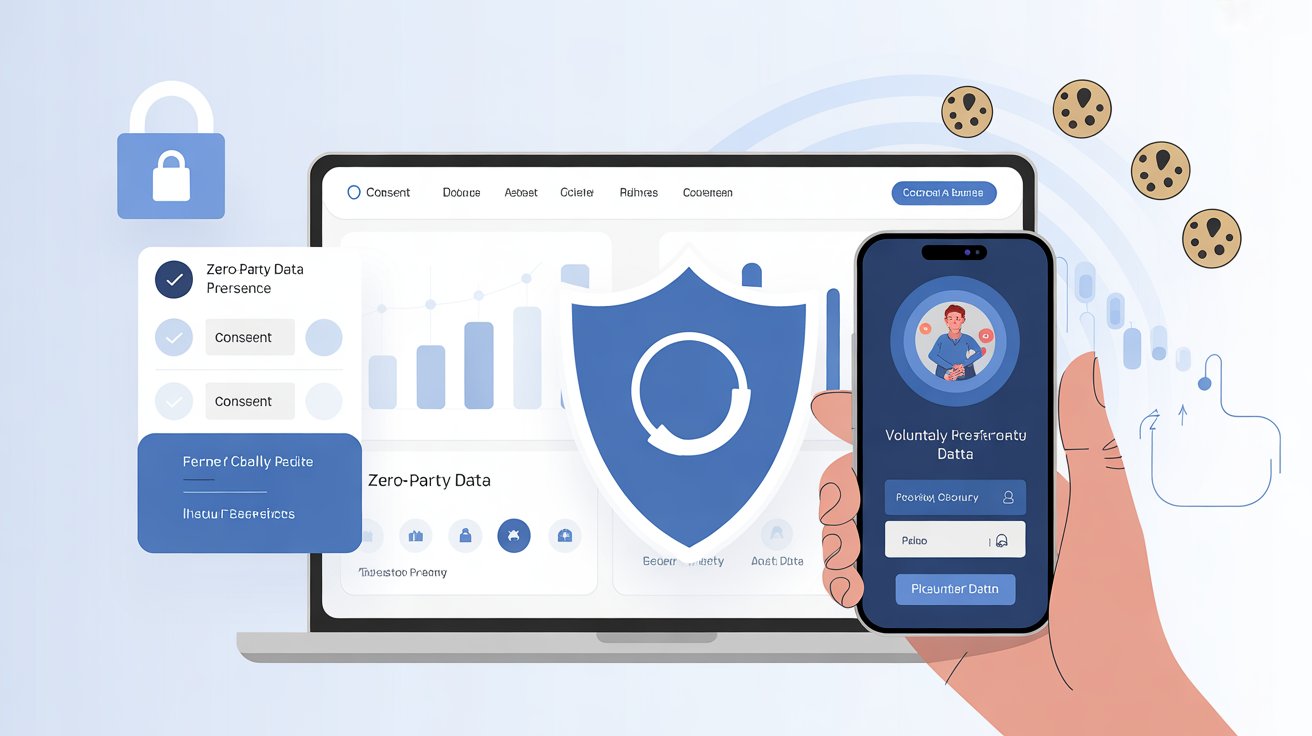
Most browsers are phasing out third-party cookies, pushing marketers to rely more on first-party and zero-party data.
2. Rise of Privacy-First Platforms
Platforms like Apple and Google have introduced privacy updates that require marketers to adapt with server-side tracking, encrypted data sharing, and consent modes.
3. Shift Toward Transparent Marketing
Brands must now be open about how they collect and use data, making transparency a competitive advantage.
Best Practices for Data Privacy in Digital Marketing
1. Use Clear Consent Forms
Include cookie banners, opt-in forms, and simple explanations of data collection.
2. Prioritise First-Party Data
Collect data ethically via newsletters, surveys, loyalty programs, and account sign-ups.
3. Limit Data Collection
Only gather data necessary for marketing objectives to reduce security risks.
4. Ensure Data Storage Security
Use encryption, access controls, and regular audits to secure customer data.
5. Be Transparent with Your Audience
Clearly communicate data purposes, retention periods, and sharing practices.
6. Update Your Privacy Policy
Maintain a compliant, easy-to-understand privacy policy accessible across your site.
7. Train Your Marketing Team
Ensure all team members understand data privacy rules and best practices.
The Future of Data Privacy in Digital Marketing
Data privacy will continue to evolve as new laws and technologies emerge. The future of marketing will rely on zero-party data, AI-powered privacy solutions, cookie-less advertising, and ethically driven personalisation.
Brands that respect user privacy will earn greater trust, stronger engagement, and long-term customer loyalty.