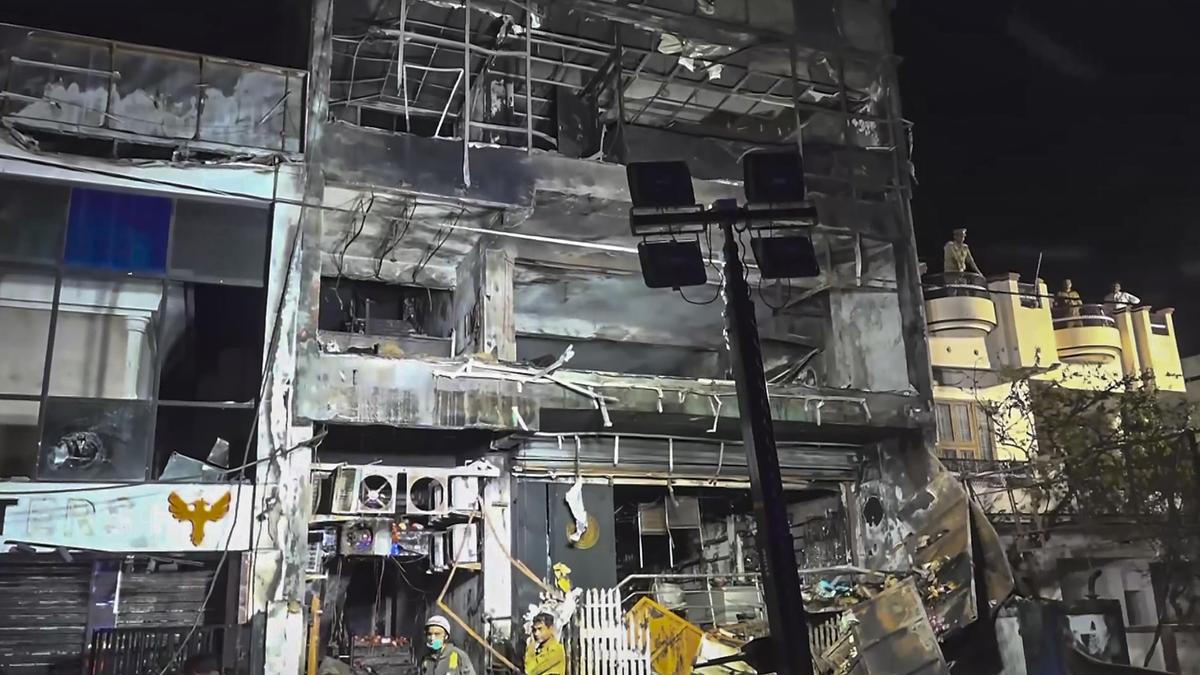
A devastating building fire in Lucknow has sparked widespread concern and renewed scrutiny of regulatory authorities after reports revealed that the structure had previously been marked for demolition due to unauthorized construction. The incident has reignited discussions about building safety, enforcement failures, and accountability within urban development agencies.
According to reports, the building was issued a demolition order by the local development authority in 2016 after officials identified violations related to unauthorized construction. However, the demolition order was reportedly revoked within two months, allowing the structure to remain operational. Following the recent fire tragedy, questions are now being raised about the circumstances that led to the withdrawal of the order and whether stricter enforcement could have prevented the disaster.
Fire Incident Triggers Public Concern
The fire, which caused significant damage and led to emergency rescue operations, has shocked residents and authorities alike. Firefighters and emergency responders worked for hours to contain the blaze and ensure the safety of occupants and nearby structures.
As investigations continue, attention has shifted beyond the immediate cause of the fire to the building’s regulatory history. The revelation that the property had once been deemed unsuitable due to construction violations has intensified public concerns about urban safety standards and compliance monitoring.
Demolition Order Revoked in 2016
Records indicate that the development authority had identified unauthorized construction activities in the building and issued a demolition notice in 2016. Such notices are typically issued when structures violate approved building plans, zoning regulations, or safety standards.
However, the demolition order was reportedly withdrawn within a short period. The reasons behind the revocation are now under examination, with many questioning whether proper procedures were followed and whether adequate safety assessments were conducted before allowing the building to continue operations.
The incident has highlighted the importance of transparent decision-making within regulatory bodies responsible for urban planning and development.
Growing Focus on Building Safety Compliance
The Lucknow fire has once again underscored the risks associated with unauthorized construction and non-compliance with building regulations. Urban experts have long warned that deviations from approved plans can compromise structural integrity, emergency access, fire safety systems, and occupant protection.
Building regulations are designed to ensure public safety by establishing standards for construction, occupancy, electrical systems, and fire prevention measures. When violations are overlooked or enforcement actions are reversed without adequate scrutiny, the consequences can be severe.
The tragedy serves as a reminder that regular inspections, strict compliance checks, and effective enforcement mechanisms are essential components of urban safety management.
Calls for Accountability and Investigation
Following the fire, there have been increasing demands for a comprehensive investigation into both the incident and the administrative decisions surrounding the building’s regulatory status. Citizens, safety advocates, and public representatives are seeking greater transparency regarding how and why the demolition order was revoked.
Authorities are expected to review historical records, approval processes, and compliance documentation to determine whether any lapses occurred. The findings may influence future policy decisions and enforcement practices aimed at preventing similar incidents.
The case also raises broader questions about the effectiveness of urban governance and the challenges faced by rapidly growing cities in ensuring that construction activity adheres to approved standards.
Lessons for Urban Development Authorities
The Lucknow building fire highlights the critical need for stronger oversight of construction projects and more rigorous enforcement of building regulations. As cities continue to expand, authorities must balance development with public safety by ensuring that violations are addressed promptly and transparently.
Experts argue that improved digital record-keeping, regular audits, stricter penalties for unauthorized construction, and enhanced fire safety compliance could help reduce future risks. Public confidence in regulatory institutions depends on consistent enforcement and accountability.
As investigations progress, the incident is likely to remain a significant case study in urban planning, building safety, and administrative accountability. The tragedy serves as a stark reminder that regulatory decisions can have long-term consequences, making vigilance and transparency essential for protecting public safety.