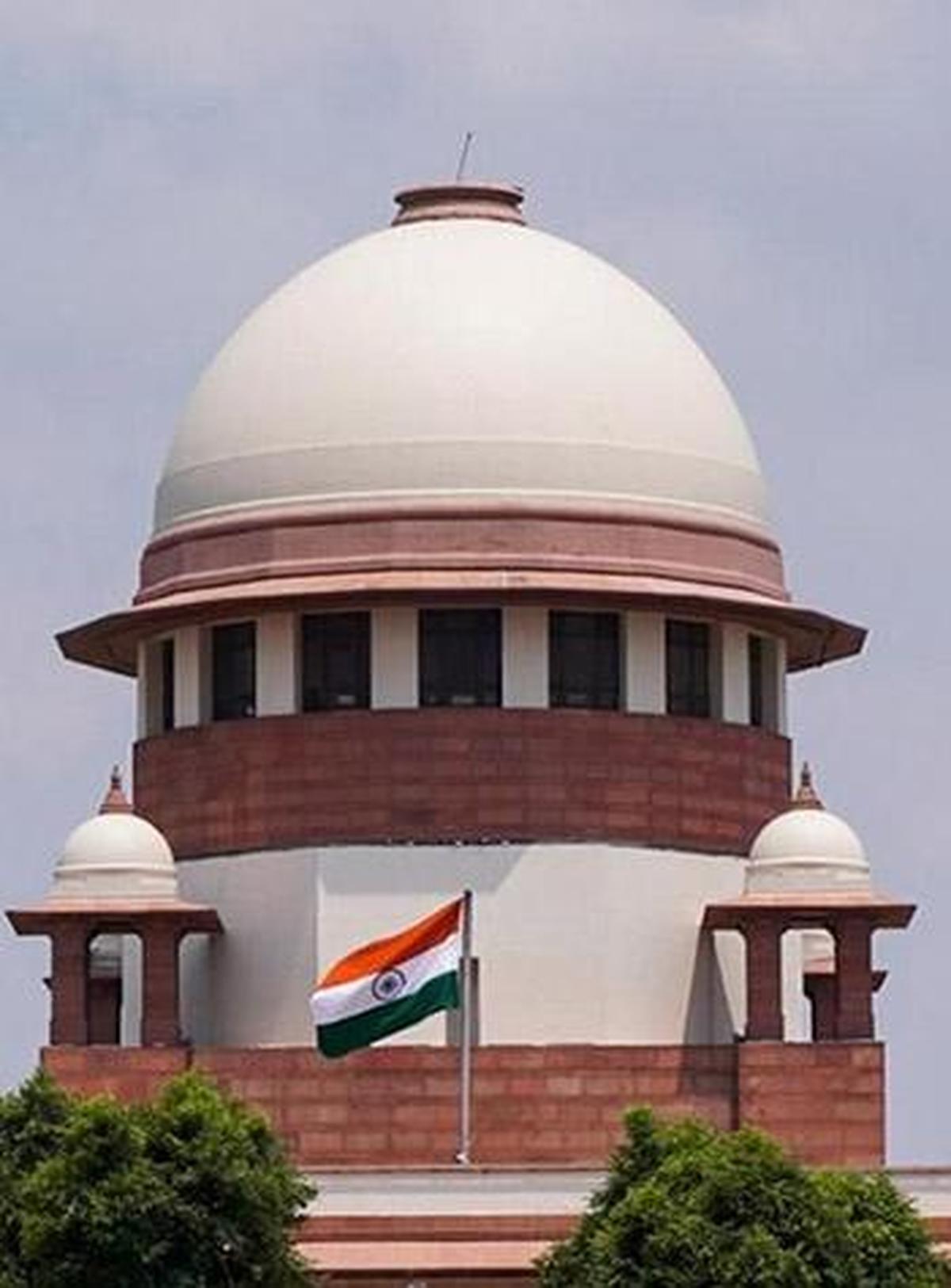
The Supreme Court of India has disposed of a plea concerning Class 12 students in West Asia after the Central Board of Secondary Education (CBSE) introduced a new assessment policy to address the challenges caused by examination cancellations in Gulf countries. The move comes as a significant relief for students whose board examinations were disrupted due to escalating regional tensions and conflict in parts of West Asia.
The development was informed to the apex court by Solicitor General Tushar Mehta, who appeared on behalf of the Central Government and the CBSE. During the proceedings, Mehta stated that the board had formulated a comprehensive policy designed to ensure that students affected by the cancellation of examinations are assessed fairly and transparently.
Why Were the Exams Cancelled?
Several CBSE-affiliated schools in Gulf countries were unable to conduct scheduled Class 12 board examinations because of regional conflict and security concerns. The unexpected disruption left hundreds of students uncertain about their academic future and raised concerns regarding evaluation methods, college admissions, and overall fairness in the assessment process.
As the issue gained attention, petitions were filed seeking intervention to protect the interests of affected students. The matter eventually reached the Supreme Court, which sought clarity from the CBSE regarding the measures being taken to address the situation.
CBSE Introduces a New Assessment Formula
Responding to the concerns raised before the court, CBSE developed a new policy specifically tailored for students impacted by the examination cancellations. According to the submission made before the Supreme Court, the policy provides an alternative assessment mechanism to ensure students are not academically disadvantaged due to circumstances beyond their control.
One of the key highlights of the new framework is the introduction of a separate assessment formula for private candidates appearing for the Class 12 board examinations. This provision is particularly important because private candidates often do not have the same internal assessment records available as regular school-going students.
The policy aims to create a balanced and equitable evaluation process that takes into account the unique circumstances faced by affected students while maintaining the credibility and integrity of the board examination system.
Supreme Court Disposes of the Plea
After being informed about the newly formulated policy, the Supreme Court decided to dispose of the plea. The court noted that the concerns raised by the petitioners had been addressed through the measures adopted by the CBSE.
The decision effectively closes the legal proceedings related to the issue while allowing the board to implement its assessment framework. By disposing of the plea, the court signalled its satisfaction with the steps taken by the education board to resolve the matter.
Relief for Students and Parents
The announcement is expected to bring considerable relief to students and parents who had been anxiously awaiting clarity regarding board examinations and assessment procedures. Uncertainty surrounding academic evaluation can have far-reaching consequences, especially for students preparing for university admissions and competitive entrance processes.
With a defined assessment policy now in place, students can focus on their academic and career plans with greater confidence. Educational institutions and admission authorities are also likely to benefit from the clarity provided by the board’s decision.
Importance of Flexible Education Policies
The situation highlights the importance of adaptable education policies during emergencies and unforeseen global events. Whether caused by conflicts, natural disasters, or public health crises, disruptions to examinations can significantly affect students’ educational journeys.
By introducing a dedicated assessment framework for affected candidates, CBSE has demonstrated the need for responsive governance in education. The board’s approach may serve as a reference point for handling similar situations in the future, ensuring that students are not unfairly penalized due to circumstances outside their control.
Conclusion
The Supreme Court’s decision to dispose of the plea marks the resolution of an important issue affecting CBSE Class 12 students in West Asia. With the implementation of a new assessment policy and a separate evaluation formula for private candidates, CBSE has taken steps to safeguard the academic interests of students impacted by exam cancellations in Gulf countries. The development underscores the importance of fairness, flexibility, and timely intervention in ensuring educational continuity during challenging times.