India is witnessing another spell of intense weather activity as the India Meteorological Department (IMD) has warned of heavy rainfall in several southern states, including Kerala, while parts of northern India, particularly Delhi-NCR, may experience hailstorms, thunderstorms, and strong winds. The latest weather advisory has raised concerns among travellers, commuters, and local authorities as disruptions to transportation and daily activities are expected in multiple regions.
With the southwest monsoon gaining momentum and unstable atmospheric conditions developing across northern India, weather experts are urging citizens to stay updated on forecasts and prepare for possible delays in flights, train services, and road travel.
Kerala Faces Heavy Rainfall Risk
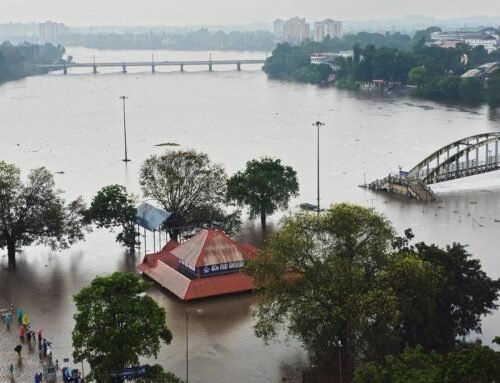
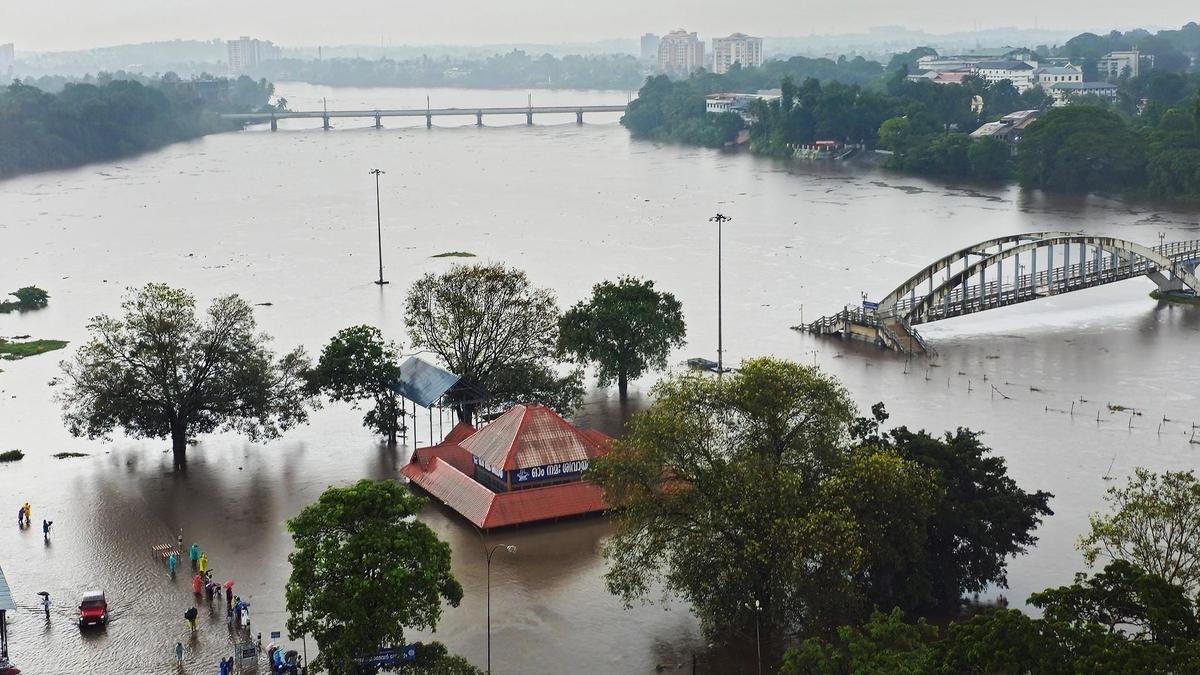
Kerala remains one of the states most affected by the advancing monsoon. Several districts are expected to receive moderate to heavy rainfall over the coming days, increasing the risk of localised flooding, waterlogging, and traffic disruptions.
Authorities have advised residents in low-lying areas to remain vigilant, especially in districts that have experienced recurring monsoon-related flooding in recent years. Continuous rainfall may also lead to rising river levels and landslide risks in hilly regions.
Tourists planning visits to popular destinations such as Munnar, Wayanad, Thekkady, and other hill stations should monitor weather conditions before travelling. Road conditions may deteriorate quickly during periods of intense rainfall, potentially affecting sightseeing and transportation schedules.
Delhi-NCR Braces for Hailstorms and Thunderstorms
While southern India battles heavy rain, Delhi and the surrounding regions are expected to experience a different weather challenge. IMD forecasts indicate the possibility of thunderstorms accompanied by hail, lightning, and gusty winds.
Hailstorms can cause temporary disruptions to traffic, reduce visibility, and impact outdoor activities. Strong winds may also result in fallen trees, damaged infrastructure, and power outages in some localities.
Weather experts note that such conditions are common during seasonal transitions when warm surface temperatures interact with moisture-laden air and upper-atmosphere disturbances. Residents are advised to avoid unnecessary outdoor travel during severe thunderstorm activity and seek shelter when lightning warnings are issued.
Potential Impact on Travelers
The latest IMD advisory is particularly important for travellers across India. Adverse weather conditions often lead to delays and disruptions across transportation networks.
Flight Operations
Heavy rain, low visibility, strong winds, and thunderstorms can affect flight schedules at major airports. Travellers flying to or from Kerala, Delhi, and nearby regions should check airline notifications regularly for updates regarding delays, cancellations, or rescheduling.
Rail Services
Waterlogging on tracks, reduced visibility, and weather-related operational challenges may affect train punctuality. Passengers are encouraged to verify train status before departure, especially for routes passing through weather-affected areas.
Road Travel
Road transportation is likely to face the greatest challenges. Heavy rainfall can result in flooded roads, traffic congestion, and slower travel times, while hailstorms and thunderstorms can create hazardous driving conditions.
Motorists should exercise caution, maintain safe driving distances, and avoid travelling through flooded stretches whenever possible.
Why Extreme Weather Events Are Becoming More Common
Meteorologists have observed an increase in short-duration but high-intensity weather events across India in recent years. Climate variability, changing rainfall patterns, and rising temperatures are contributing to more frequent episodes of heavy rain, thunderstorms, and hailstorms.
Urban areas are particularly vulnerable due to dense infrastructure and drainage challenges, which can quickly transform heavy rainfall into significant flooding events. As weather patterns continue to evolve, preparedness and timely weather monitoring are becoming increasingly important.
Safety Tips During Severe Weather
To stay safe during heavy rainfall and thunderstorms, experts recommend:
- Monitor official IMD weather updates regularly.
- Avoid unnecessary travel during severe weather warnings.
- Keep mobile devices charged in case of power outages.
- Stay away from flooded roads and waterlogged underpasses.
- Seek shelter immediately during lightning activity.
- Secure outdoor objects that may be displaced by strong winds.
- Follow instructions issued by local authorities and disaster management agencies.
Outlook for the Coming Days
Weather conditions are expected to remain active across several parts of India as the monsoon progresses and atmospheric disturbances continue to influence regional weather patterns. Travellers, businesses, and residents should remain alert and stay informed through official weather bulletins.
As India enters a critical phase of the monsoon season, preparedness and awareness will play a key role in minimizing disruptions and ensuring public safety amid evolving weather conditions.