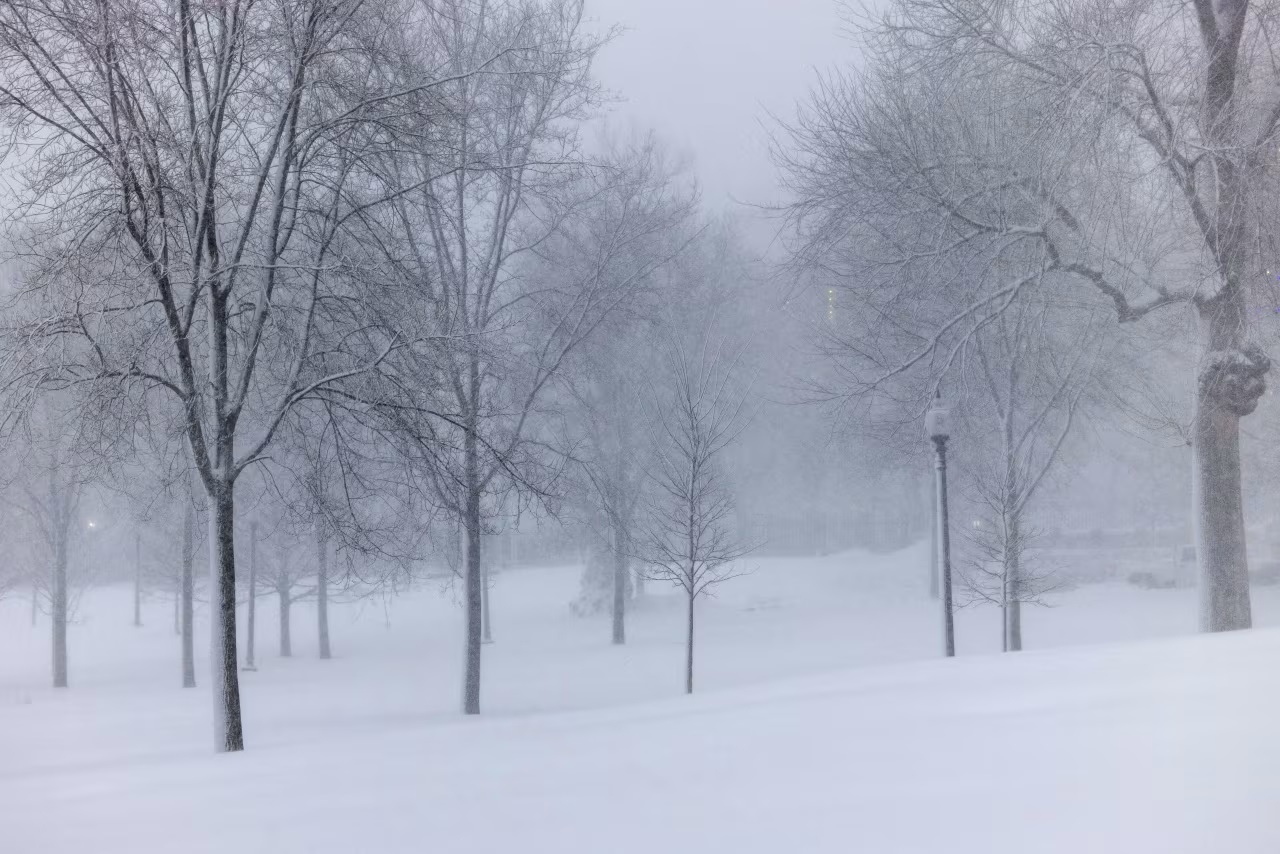
A powerful winter blizzard that buried parts of the Northeastern United States under more than two feet of snow has begun to loosen its grip, allowing state officials to lift or relax travel bans across several affected areas. After days of dangerous whiteout conditions, grounded flights, and shuttered highways, recovery efforts are now underway as communities dig out from one of the most intense snowstorms of the season.
Historic Snowfall Across the Region
The storm system swept across key states, including New York, Massachusetts, Connecticut, and Vermont, bringing sustained heavy snowfall, strong wind gusts, and dangerously low visibility. Some localized areas reported snowfall totals exceeding 24 inches, with higher elevations experiencing even greater accumulations.
Major metropolitan areas such as Boston and New York City faced significant disruptions. Public transit systems were temporarily suspended, schools and government offices closed, and emergency services responded to hundreds of storm-related incidents.
Meteorologists classified the event as a high-impact Nor’easter, fueled by a strong low-pressure system off the Atlantic coast. Wind gusts in some coastal regions exceeded 50 mph, contributing to blowing snow and reduced visibility, which made travel nearly impossible during peak storm hours.
Travel Bans Gradually Lifted
At the height of the storm, several governors declared states of emergency and implemented temporary travel bans to prevent accidents and allow snow removal crews to operate efficiently. Interstate highways were closed in parts of New York and Massachusetts, while secondary roads were deemed unsafe due to drifting snow and icy conditions.
As snowfall subsided and ploughing operations made progress, authorities began lifting restrictions. Officials emphasized that while primary roads have been cleared, secondary and residential streets may still be hazardous due to compacted snow and black ice.
Travel advisories remain in place in certain counties, urging motorists to exercise caution. Transportation departments continue to deploy salt trucks and heavy equipment to restore full mobility across affected regions.
Flight Cancellations and Transportation Disruptions
Air travel faced significant setbacks as major airports, including John F. Kennedy International Airport and Logan International Airport, cancelled or delayed hundreds of flights. Airlines are now working to rebook stranded passengers as operations gradually return to normal.
Rail services also experienced interruptions, with several commuter lines suspending service during the worst of the storm. Amtrak routes across the Northeast Corridor reported delays, though limited operations have since resumed.
Bus terminals and regional transit systems are restoring schedules, but officials caution that lingering weather-related impacts could cause minor delays through the week.
Power Outages and Emergency Response
In addition to travel disruptions, heavy snow and strong winds led to scattered power outages across the region. Utility companies reported downed tree limbs and power lines, particularly in rural and coastal communities.
Emergency response teams were active throughout the storm, assisting stranded motorists, clearing debris, and ensuring access to critical infrastructure such as hospitals and emergency shelters. Crews worked overnight to restore electricity to affected households, with most outages resolved within 24–48 hours after the storm’s peak.
Local governments continue to advise residents to clear sidewalks and fire hydrants to facilitate emergency access and maintain public safety.
Economic Impact and Recovery Efforts
The economic toll of the blizzard is still being assessed. Retail businesses, restaurants, and service providers experienced temporary closures, particularly in urban centres like Boston and New York City. However, winter storms often generate a surge in demand for snow removal services, hardware supplies, and emergency goods.
Municipal budgets will likely reflect increased overtime costs for public works employees and emergency personnel. Insurance claims related to property damage, vehicle accidents, and frozen pipes may also rise in the coming weeks.
Weather Outlook: What Comes Next?
While the blizzard has moved offshore, meteorologists warn that colder-than-average temperatures may persist, raising concerns about refreezing and icy road conditions. Residents are advised to monitor local weather forecasts and avoid unnecessary travel until roads are fully stabilized.
Long-range forecasts suggest the potential for additional winter systems later in the season, though none are currently expected to match the severity of this recent storm.
Staying Safe After the Storm
Authorities recommend the following precautions:
-
Avoid driving unless necessary, especially during nighttime hours.
-
Watch for black ice on bridges and overpasses.
-
Clear snow from vehicle roofs to prevent road hazards.
-
Check on elderly neighbors and vulnerable community members.
-
Keep emergency supplies readily available.
Conclusion
The lifting of travel bans marks a positive step toward recovery for the Northeast following a powerful blizzard that delivered over two feet of snow in some areas. While conditions are improving, officials stress the importance of continued caution as cleanup efforts progress.
As communities reopen schools, resume public transportation, and restore normal business operations, the storm serves as a reminder of the region’s vulnerability to extreme winter weather—and the resilience required to weather it.