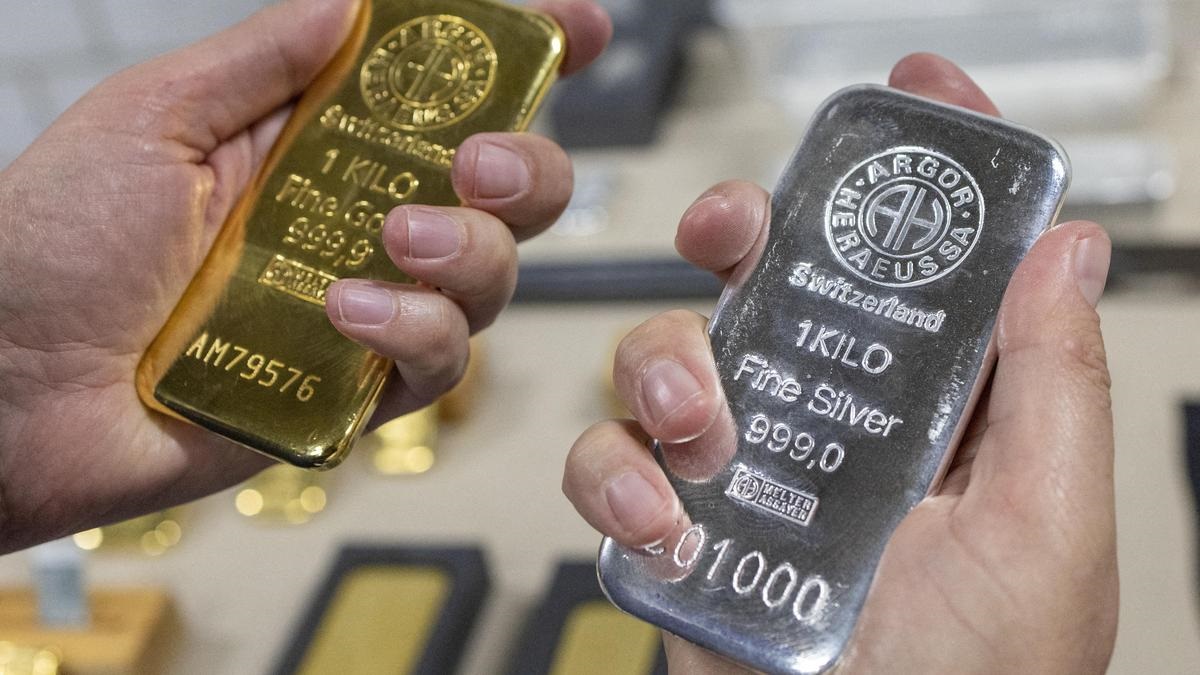
Gold and silver have once again captured investor attention, reinforcing their reputation as timeless safe-haven assets. At a time when global markets are navigating uncertainty—from sticky inflation and shifting interest rate expectations to geopolitical tensions—precious metals are holding firm. According to market experts, gold and silver prices are unlikely to lose their shine anytime soon, and several macroeconomic factors continue to support this outlook.
Why Gold and Silver Are Back in Focus
Historically, gold and silver perform well during periods of economic ambiguity. Today’s environment checks many of those boxes. Investors are balancing concerns around slowing global growth, volatile equity markets, and central bank policy uncertainty. As a result, capital is steadily flowing into assets perceived as stores of value.
Gold, in particular, benefits from its status as a hedge against inflation and currency depreciation. Silver, while also a precious metal, enjoys the added advantage of strong industrial demand, especially from sectors like renewable energy, electronics, and electric vehicles.
Together, these factors are helping precious metals maintain their appeal despite intermittent market pullbacks.
Interest Rates and Inflation: A Key Driver
One of the most important influences on gold and silver prices is the direction of interest rates. When interest rates rise sharply, non-yielding assets like gold tend to face pressure. However, current market expectations suggest that central banks may adopt a more cautious stance going forward.
While inflation has eased from peak levels in many economies, it remains above long-term targets. This persistent inflationary pressure keeps real interest rates relatively constrained, creating a favourable environment for gold and silver.
As long as inflation risks linger and rate cuts remain on the table, precious metals are likely to stay supported.
Central Bank Buying Strengthens Gold Outlook
Another major tailwind for gold prices is sustained central bank demand. In recent years, central banks—particularly from emerging markets—have significantly increased their gold reserves. This trend reflects a broader strategy to diversify away from traditional reserve currencies and reduce exposure to geopolitical risk.
Consistent institutional buying adds a layer of long-term stability to gold prices. Even during short-term corrections, strong underlying demand helps prevent sharp declines.
Silver’s Dual Advantage: Investment and Industry
While gold often dominates headlines, silver has its own compelling fundamentals. Beyond its role as a store of value, silver is a critical industrial metal. It is widely used in solar panels, semiconductors, electric vehicles, and advanced electronics.
As governments and corporations worldwide accelerate their transition toward clean energy and digital infrastructure, silver demand is expected to remain robust. This dual demand—investment plus industrial—gives silver a unique advantage and supports its medium- to long-term price outlook.
Geopolitical Risks Continue to Support Safe Havens
Geopolitical tensions remain a persistent feature of the global landscape. Conflicts, trade disputes, and political instability often trigger risk-off sentiment in financial markets. During such periods, investors typically increase allocations to gold and silver to protect portfolio value.
Even when equity markets recover, lingering geopolitical risks ensure that demand for safe-haven assets does not disappear overnight. This structural demand reinforces the view that precious metals are unlikely to lose their glitter in the near term.
Currency Volatility and the US Dollar Factor
The strength or weakness of the US dollar also plays a crucial role in determining gold and silver prices. A softer dollar generally makes precious metals more attractive to global investors, while currency volatility encourages diversification into tangible assets.
With foreign exchange markets reacting to shifting economic data and policy signals, currency uncertainty continues to provide indirect support to gold and silver.
What Investors Should Watch Next
While the long-term outlook remains constructive, gold and silver prices may still experience short-term fluctuations. Investors should keep an eye on:
-
Central bank policy announcements
-
Inflation and employment data
-
Global economic growth signals
-
Geopolitical developments
-
Industrial demand trends, especially for silver
Rather than timing the market, many experts recommend viewing precious metals as part of a diversified investment strategy.
Final Thoughts
Gold and silver have once again proven why they are considered enduring pillars of the global financial system. Supported by inflation concerns, central bank buying, industrial demand, and geopolitical uncertainty, their glitter is unlikely to fade just yet.
For investors seeking stability amid volatility, precious metals continue to offer both protection and opportunity—making them as relevant today as they have been for centuries.