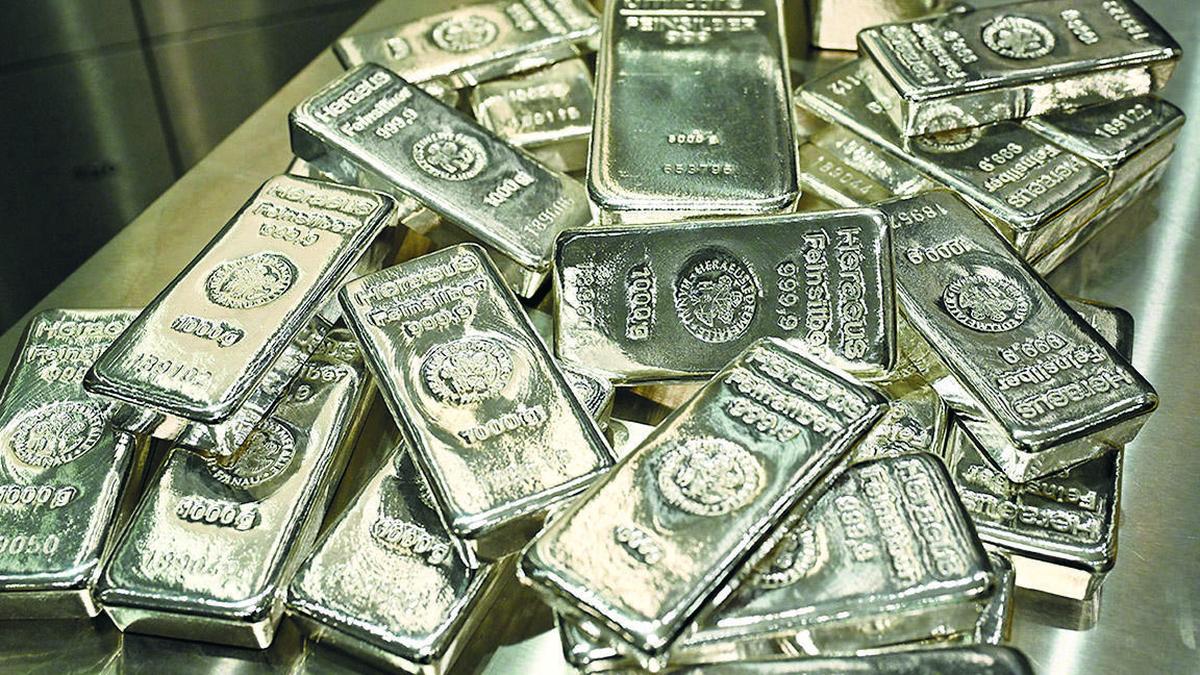
Silver’s price performance in 2025 has been nothing short of remarkable — in some periods even outpacing gold’s historic rally. While gold’s rise has captured headlines as a safe-haven asset amid economic uncertainty, silver’s surge has been driven by a unique combination of investment demand, industrial fundamentals, supply shortages, and macroeconomic forces that differentiate it from gold. This blog explores the key reasons why silver is outperforming gold, what’s fueling its rally, and what investors should know.
Silver’s 2025 Rally in Perspective
In 2025, silver prices soared to record highs — at one point exceeding $80 per ounce — marking some of the strongest annual gains seen in decades. This far outpaced gold’s own impressive rally in the same period. While both metals benefited from broad market forces, silver’s rise has been more pronounced due to its dual role as both a precious metal and a critical industrial commodity.
1. Industrial Demand Has Exploded
Unlike gold, which is primarily a store of value and hedge against inflation, silver has substantial industrial use. Nearly 60–70% of global silver demand now comes from industrial sectors such as renewable energy, electric vehicles (EVs), electronics, and high-tech manufacturing.
Key Drivers of Industrial Demand
-
Solar Photovoltaics: Silver is essential for solar panel production due to its superior electrical conductivity. With global solar installations rising rapidly each year, demand from this sector alone accounts for a significant portion of total silver consumption.
-
Electric Vehicles and Electronics: EVs, semiconductors, 5G infrastructure, and data centers all rely on silver for connectors, sensors, and circuitry. These fast-growing markets are driving industrial consumption to levels not seen before.
-
Clean Energy Transition: As nations push for net-zero emissions and electrification, silver’s role in renewable technologies has become central — creating structural demand beyond traditional investment flows.
This industrial component sets silver apart from gold, which lacks equivalent demand from manufacturing and tech applications.
2. Persistent Supply Deficits and Tight Inventories
While demand has surged, silver supply has struggled to keep pace. Global silver has been in a structural supply deficit for several years, meaning demand has consistently outpaced new mining output.
Mining production itself is challenged by declining ore grades, limited exploration, and the fact that most silver is produced as a byproduct of other metals. When silver prices rise, mining operations cannot quickly expand production, leading to tighter physical inventories.
Adding to supply concerns are policy shifts and export restrictions — for example, China’s upcoming silver export licensing requirements, expected to tighten global supply even further.
3. Macroeconomic Forces and Investment Demand
Silver often attracts investment alongside gold during periods of economic uncertainty, but in 2025, several macro trends amplified this effect:
Anticipated Interest Rate Cuts
Growing expectations of U.S. Federal Reserve rate cuts in 2026 and a weaker dollar made precious metals more attractive. Lower rates reduce the opportunity cost of holding non-yielding assets like gold and silver.
Safe-Haven Buying
Geopolitical tensions and inflation concerns drove investors toward tangible assets. While gold typically leads this trend, silver’s lower price point and perceived value have made it particularly attractive to retail and institutional buyers alike.
ETF Inflows
Silver-backed exchange-traded funds have seen increased inflows in 2025, with ETF holdings reaching multi-year highs as investors sought exposure to precious metals without holding physical bullion.
4. Relative Value and the Gold–Silver Ratio
A classic way to assess how silver is performing relative to gold is via the gold-silver ratio — the number of silver ounces needed to buy one ounce of gold. Historically ranging around 60–65:1, this ratio widened early in 2025, signaling that silver was undervalued relative to gold. As silver’s price accelerated, the ratio tightened, confirming silver’s relative strength.
5. Broader Market Context and Short-Term Volatility
Despite silver’s strong performance, some analysts caution about short-term risks, including profit-taking, increased trading margins, and potential rebounds in the U.S. dollar or yields. Additionally, periodic price corrections — such as recent pullbacks after record highs — highlight silver’s higher volatility compared to gold.
Nevertheless, the underlying structural drivers of demand and tight supply suggest silver’s rally may have staying power, particularly as industrial growth continues.
Conclusion
Silver’s spectacular surge in 2025 is not merely a mirror of gold’s climb — it’s the result of strong industrial demand, tightening supply, macroeconomic tailwinds, and shifting investor behaviour. While gold remains a premier safe-haven asset, silver’s unique dual role as both a precious metal and an industrial commodity has given it a compelling advantage this year.
For investors, understanding these dynamics — beyond simple speculation — is critical to evaluating silver’s future potential and how it might fit within diversified portfolios.