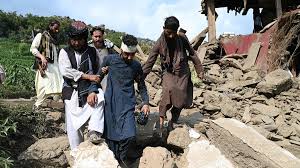
The severe earthquake in Afghanistan was a 6.3-magnitude event that struck northern Afghanistan, causing at least 20 deaths and injuring hundreds. The quake led to significant distress in the region, compounding the challenges faced by the local population.
This natural disaster occurred alongside other notable international events, including Typhoon Kalmaegi prompting mass evacuations in the Philippines. Relief efforts and support are likely ongoing as the affected areas recover from the impact.
The recent 6.3-magnitude earthquake in northern Afghanistan caused at least 20 deaths and injured hundreds more, affecting several remote communities. The quake struck early in the morning, resulting in collapsed buildings and infrastructure damage, complicating rescue and relief operations given the terrain and limited access.
Local authorities, alongside international aid groups, have mobilized to provide emergency medical care, shelters, and essential supplies to those displaced. Due to ongoing security concerns and difficult logistics, reaching the most affected areas remains a challenge. The earthquake adds to the region’s humanitarian difficulties following years of conflict and instability.
Afghanistan’s government has expressed condolences and is coordinating with neighboring countries and international agencies to facilitate aid and rehabilitation. The response efforts continue amid fears of aftershocks that could worsen the damage and casualties.
Additional details about the severe earthquake in Afghanistan:
-
The earthquake hit with a shallow depth, which typically causes more surface damage and casualties. Villages and towns near the epicenter were severely affected, with many homes collapsing.
-
Rescue teams, including local volunteers and emergency responders, are conducting search and rescue missions despite rough terrain and limited communication networks.
-
The affected region is largely mountainous, complicating delivery of aid and supplies. Helicopter airlifts have been requested to reach isolated areas quickly.
-
International humanitarian organizations, including the United Nations and Red Crescent, have offered support and are assessing needs for food, medical supplies, and temporary shelters.
-
As winter approaches, there is an urgent need to provide warmth and shelter to displaced families facing harsh weather conditions.
-
Afghanistan’s fragile political and economic situation adds complexity to the disaster response, with ongoing negotiations for increased international aid access.
These factors highlight the significant humanitarian and logistical challenges in responding effectively to the earthquake’s impact in Afghanistan.